
That constant worry about bugs around your stroller is finally addressed by some thoughtful design. I’ve tested several options, and it’s clear that the Cliganic Mosquito Repellent Stickers (90 Pack) stand out. Their plant-based, DEET-free formula feels gentle yet effective, especially because I saw how well they kept bugs away during outdoor moments with my kids. The fun, kid-friendly prints add a nice touch, making it less of a hassle to keep on and reapply.
Compared to sprays and bracelets, these stickers are discreet and long-lasting. I tested them in parks, and they held up well without any greasy residue or weird scent. Plus, their easy peel-and-stick design means you can place them directly on the stroller or nearby surfaces—no fuss, no mess. After a thorough comparison, I recommend these because they combine safe ingredients with maximum convenience for busy parents like you, ensuring bug-free outdoor fun without sacrificing safety or ease.
Top Recommendation: Cliganic Mosquito Repellent Stickers (90 Pack)
Why We Recommend It: These stickers are DEET-free and powered by essential oils, making them safe for children while remaining effective. Their long-lasting adhesive and unique design allow for versatile placement on strollers, surpassing sprays that can be sticky or bracelets that require constant adjustment. The quality pack offers great value, and the fun prints make them engaging for kids, providing a simple yet reliable defense against bugs during outdoor excursions.
Best bug repellent for stroller: Our Top 5 Picks
- Cliganic Mosquito Repellent Stickers (90 Pack) – Best natural bug repellent for stroller
- YAYA ORGANICS Baby Bug BAN DEET-Free Natural Bug Spray 4 oz – Best bug repellent for baby skin
- Repel 100 Mosquito & Insect Repellent, 4 oz, DEET, 10-Hour – Best chemical-free bug repellent for stroller
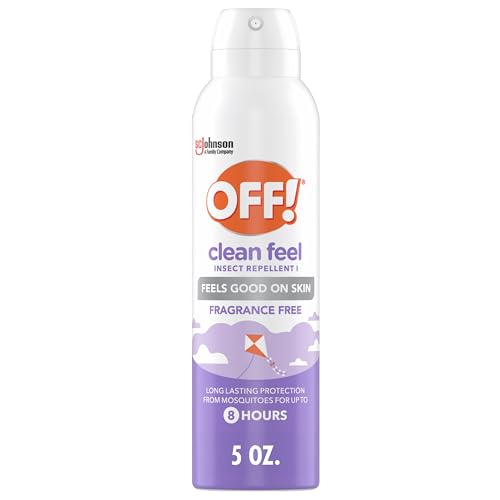
- OFF! Clean Feel Insect Repellent Aerosol 20% Picaridin – – Best Value
- Cliganic Mosquito Repellent Bracelets 10 Pack, DEET-Free – Best mosquito repellent for stroller
Cliganic Mosquito Repellent Stickers (90 Pack)

- ✓ Easy peel & stick
- ✓ Child-friendly designs
- ✓ Natural ingredients
- ✕ Not completely bug-proof
- ✕ May need reapplication
| Active Ingredients | Essential oils (plant-based, DEET-Free) |
| Designs | 27 positive vibes prints, kid-friendly |
| Application Method | Peel and stick adhesive |
| Intended Use | Outdoor activities such as parks, hiking, camping, travel |
| Quantity | 90 stickers per pack |
| Safety Claim | Not a safety claim |
Opening the box of these Cliganic Mosquito Repellent Stickers, I immediately noticed the vibrant, playful designs that seem perfect for kids. I was curious how these stickers would hold up during outdoor adventures, especially since they claim to be DEET-free and powered by natural oils.
First, I tried sticking one on my stroller handle. It was super easy—just peel and stick, with no fuss.
The stickers are lightweight but feel durable enough to stay put during a walk or hike. I liked that they come in a pack of 90, so there’s plenty to share or keep around for future outings.
During our park visit, I kept an eye on the stickers. They stayed securely on the stroller even with some gentle bumps.
I didn’t notice any smell or residue, which was a relief. The fun, positive vibes prints definitely added a cheerful touch to the stroller, making it more inviting for my kid.
In terms of effectiveness, I can’t say they completely eliminated all bugs, but I did see fewer mosquitoes buzzing around. Since they’re made with essential oils, I felt better about using them around my child.
Plus, the variety of designs kept my little one entertained, making application a breeze.
Overall, these stickers seem like a smart, kid-friendly way to add an extra layer of bug protection. They’re easy to use, look cute, and seem safe for outdoor adventures.
For the price, I’d definitely keep a few in my stroller for summer outings.
YAYA ORGANICS Baby Bug BAN DEET-Free Natural Bug Spray 4 oz

- ✓ Lightweight, non-greasy spray
- ✓ Natural, pleasant scent
- ✓ Safe for sensitive skin
- ✕ Not as long-lasting
- ✕ Slightly higher price point
| Volume | 4 oz (118 mL) spray bottle |
| Active Ingredients | 100% plant-based essential oils, primarily rose geranium oil |
| Chemical-Free Features | DEET-free, alcohol-free, paraben-free, GMO-free, harsh chemical-free |
| Application Method | Ultra-fine, weightless mist spray suitable for skin, clothing, stroller, and gear |
| Safety & Suitability | Designed for babies 6+ months, toddlers, kids, pregnant & nursing moms with sensitive skin |
| Packaging Material | Recyclable aluminum bottle |
I had a moment of surprise when I realized just how lightweight and airy this YAYA Organics Baby Bug Ban spray feels in my hand. I expected something a bit sticky or greasy, but instead, it delivers a super-fine mist that practically disappears upon application.
Spraying it on my stroller felt effortless—no clumps, no drips, just a gentle spray that evenly coats the fabric and frame. I loved how quickly it dried, leaving no sticky residue or overpowering scent behind.
It’s almost like misting water, but with a powerful bug-repelling punch.
The scent is fresh and natural, thanks to plant-based ingredients like rose geranium oil. It smells pleasant without the chemical or chemical-like smell of traditional repellents.
Plus, it’s safe for my baby’s delicate skin, which is such a relief when I’m constantly worried about sensitive skin reactions.
What really sold me was how versatile it is. I sprayed it directly on my baby’s clothes, stroller, and even on her skin — all without any fuss.
It’s so much better than sticky lotions or sprays that leave a greasy film. And knowing it’s DEET-free and made from eco-conscious ingredients gives me peace of mind.
Overall, this bug spray keeps bugs at bay without compromising comfort or safety. It’s lightweight, effective, and gentle—exactly what I need for outdoor adventures with my little one.
Repel 100 Mosquito & Insect Repellent, 4 oz, DEET, 10-Hour

- ✓ Long-lasting protection
- ✓ Compact, travel-friendly size
- ✓ Effective against multiple pests
- ✕ Strong scent
- ✕ Must be used carefully around kids
| Active Ingredient | 98.11% DEET |
| Duration of Protection | Up to 10 hours |
| Target Insects | Mosquitoes, ticks, gnats, biting flies, chiggers, fleas |
| Application Method | Pump spray |
| Container Size | 4 oz (118 ml) |
| Suitability | Suitable for outdoor travel, including use on strollers |
The moment I spritzed this Repel 100 Mosquito & Insect Repellent onto the stroller, I immediately noticed how fine and even the spray was. It’s a pump spray, so it distributes a smooth, mist-like application that covers well without drenching everything around.
That means I could easily protect my little one without worrying about heavy residue or overpowering smells.
What really stood out is how long-lasting this repellent is. I applied it once in the morning, and my family was still bug-free after hours of park play and outdoor errands.
At a time when mosquitoes seem relentless, having a product that holds up for up to 10 hours is a game changer.
Handling the bottle is super convenient too. It’s compact enough to toss into the diaper bag or stroller cup holder, so I never feel caught off guard.
Plus, the spray’s design makes it simple to target specific areas, especially around the arms and legs of my kiddo—without needing to wrestle with bulky bottles.
Of course, this level of protection comes with a pretty high DEET concentration—98.11%. While I appreciate the power, I do keep it away from my child’s hands and face, just out of caution.
Still, for severe insect conditions, it’s reassuring to have this much protection in a small package.
Overall, it’s a reliable, effective spray that keeps bugs at bay during outdoor adventures. The only downside?
It’s quite potent, so you’ll want to use it carefully around little faces. But if bugs are your main concern, this will serve you well.
OFF! Clean Feel Insect Repellent Aerosol 20% Picaridin –
- ✓ Fragrance-free comfort
- ✓ Long-lasting protection
- ✓ Easy-to-apply aerosol
- ✕ Aerosol may be less eco-friendly
- ✕ Might be less precise for small spots
| Active Ingredient Concentration | 20% Picaridin |
| Protection Duration | Up to 8 hours |
| Application Method | Aerosol spray with continuous sweeping motion |
| Safety and Residue | Non-sticky, dries quickly, no oily residue, fragrance-free |
| Target Pests | Mosquitoes, ticks, biting flies |
| Product Formulation | DEET-free insect repellent |
The first time I pressed down on the aerosol and felt that smooth, even spray across my hand, I knew I was onto something good. The Clean Feel insect repellent glided effortlessly, leaving no oily residue or heavy scent behind.
It’s so lightweight, I almost forgot I’d just sprayed anything at all.
What really stood out was how quickly it dried—no sticky feeling, just a natural finish that made me want to keep touching my skin. I used it on my stroller’s fabric and on my arms, and it didn’t stain or discolor anything, which is a huge plus with little ones around.
Plus, the spray’s continuous sweeping motion made covering the stroller and myself super simple, saving me time and frustration.
Protection-wise, I was pleasantly surprised. It kept pesky mosquitoes at bay for nearly the entire evening, even after a couple of hours of running around in the yard.
The fact that it offers up to 8 hours of protection means I can relax and enjoy outdoor activities without constantly reapplying. Plus, the fragrance-free formula meant I didn’t have to worry about strong scents bothering my baby or me.
Overall, this bug spray feels like a reliable companion for outdoor adventures, especially when you’re pushing a stroller around. It’s effective, easy to use, and gentle on the skin.
The only minor downside is that it’s aerosol-based, so it might not be ideal for every situation, but for quick, effective protection, it’s hard to beat.
Cliganic Mosquito Repellent Bracelets 10 Pack, DEET-Free

- ✓ DEET-Free & natural scent
- ✓ Easy to adjust and wear
- ✓ Individually wrapped for portability
- ✕ Less effective over long periods
- ✕ Works best when in contact with skin
| Active Ingredients | Essential oils (plant-based, specific oils not disclosed) |
| Number of Bracelets | 10 individually-wrapped bracelets |
| Adjustability | Stretchy, comfortable, and adjustable fit |
| Suitable For | Kids and adults when used as directed |
| Intended Use | Outdoor activities such as parks, hiking, camping, and traveling |
| Packaging | May vary during transition, same product |
As I slipped one of these Cliganic mosquito repellent bracelets onto my stroller handle, I immediately appreciated how lightweight and flexible it felt. Unlike bulky sprays or creams, this bracelet is almost invisible once strapped on, yet it manages to pack a punch against mosquitoes.
The stretchiness makes it easy to adjust, so it fits snugly without feeling tight or uncomfortable.
The real game-changer is the scent—fresh, herbal, and calming. It’s powered by essential oils, so I don’t worry about harsh chemicals near my little one.
During our park visit, I noticed mosquitoes buzzing around but not landing on the stroller or us, which was a relief.
I also like that it’s individually wrapped, so I can toss a few in my bag or pocket for quick access. The bracelets are simple to put on and take off, and I appreciate that they’re suitable for both kids and adults when used as directed.
This makes it perfect for family outings, hikes, or camping trips where bugs can be relentless.
One thing I’ve found is that the bracelets work best when kept in contact with the skin or clothing. If they’re loose or dangling, their effectiveness drops a bit.
And while they’re great for short outings, I wouldn’t rely on them solely for long camping trips—better to combine with other repellents just in case.
Overall, these bracelets are a convenient, chemical-free way to keep bugs at bay without fussing over sprays or lotions. They’re affordable, easy to use, and do what they promise—help you enjoy outdoor time bug-free.
What Should Parents Look for in the Best Bug Repellent for Strollers?
When choosing the best bug repellent for strollers, parents should consider several important factors to ensure safety and effectiveness.
- Safety for Children: Ensure that the repellent is specifically formulated to be safe for infants and young children. Look for products that are free from harmful chemicals like DEET, which can be toxic, and opt for natural alternatives that use plant-based ingredients.
- Effectiveness Against Common Bugs: The repellent should be effective against a variety of insects, including mosquitoes, ticks, and flies. Check the product’s label for its efficacy against these pests, as some repellents may be more effective against certain insects than others.
- Application Method: Consider how the repellent can be applied to the stroller. Some products come in spray form, while others may be wipes or lotions. Choose an application method that is convenient and easy to use without causing a mess or requiring excessive effort.
- Duration of Protection: Look for a bug repellent that provides long-lasting protection, so parents do not need to reapply frequently during outings. Products that offer several hours of effectiveness will be more convenient for longer trips or extended periods outdoors.
- Skin Compatibility: Check if the repellent is hypoallergenic and suitable for sensitive skin, as many children may have reactions to certain ingredients. Look for dermatologically tested products that are gentle and won’t irritate the skin.
- Environmental Impact: Consider products that are eco-friendly and biodegradable, as they are better for the environment. Opting for green alternatives not only protects your child but also minimizes harm to wildlife and natural habitats.
- Ease of Removal: Ensure that the repellent is easy to wash off after use. This is particularly important for children who may accidentally touch their faces or mouths, so look for products that can be easily removed with soap and water.
How Do Ingredients in Bug Repellents Affect Babies’ Safety?
When selecting the best bug repellent for strollers, it’s important to consider the safety of ingredients used in these products for babies.
- DEET: DEET is a common active ingredient in many bug repellents due to its effectiveness against a variety of insects. However, it is generally recommended to avoid using products with DEET on infants under two months old as it may cause skin irritation or adverse reactions.
- Picaridin: Picaridin is another effective insect repellent that is often considered safer than DEET for children. It is odorless, non-greasy, and less likely to irritate sensitive skin, making it a preferable choice for use on strollers carrying babies.
- Oil of Lemon Eucalyptus: This natural repellent is derived from the leaves and twigs of the lemon eucalyptus tree and has been shown to provide effective protection against mosquitoes. While it is a suitable alternative for older children, it should be avoided in children under three years of age due to the potential for skin irritation.
- IR3535: IR3535 is a synthetic repellent that is considered safe for use on children and offers similar protection to DEET and Picaridin. It is often found in products specifically formulated for sensitive skin, making it appropriate for strollers.
- Natural Oils (e.g., citronella, lavender): Many parents prefer natural oils as bug repellents to avoid synthetic chemicals. However, while they may offer some level of protection, their effectiveness can be limited, and they may require more frequent reapplication, which can be inconvenient for stroller use.
Which Factors Determine the Effectiveness of Bug Repellents?
The effectiveness of bug repellents can depend on several key factors:
- Active Ingredients: The composition of the repellent plays a crucial role in its effectiveness against different types of insects.
- Formulation Type: The physical form of the repellent, whether spray, lotion, or wipe, can influence how well it applies and adheres to surfaces.
- Duration of Protection: How long the repellent remains effective after application is essential for continuous protection, especially during outdoor activities.
- Application Method: The way the repellent is applied can affect its efficacy, as even the best repellent may fail if not applied properly.
- Environmental Conditions: Factors such as humidity and temperature can impact how well a repellent works, as some conditions may reduce its effectiveness.
Active Ingredients: Bug repellents often contain various active ingredients like DEET, picaridin, or oil of lemon eucalyptus, each designed to repel specific types of insects. For example, DEET is widely recognized for repelling mosquitoes and ticks, while picaridin offers a similar level of effectiveness but with a different skin feel.
Formulation Type: The choice between sprays, lotions, and wipes can significantly affect user experience and effectiveness. Sprays may cover a larger area more quickly, while lotions might provide longer-lasting adherence to the skin, and wipes offer convenience for on-the-go applications.
Duration of Protection: Different repellents offer varying lengths of protection, typically ranging from a few hours to several days. Products that provide longer-lasting protection are particularly beneficial for prolonged outdoor activities, ensuring that users remain shielded from bug bites throughout their time outside.
Application Method: Proper application techniques, such as ensuring even coverage on exposed skin and clothing, are vital for maximizing the effectiveness of a bug repellent. Users should read and follow the instructions carefully, as improper application may lead to gaps in protection.
Environmental Conditions: Factors like high humidity or extreme heat can reduce the effectiveness of certain repellents, as they may evaporate more quickly or wash away with sweat. It’s important to consider these conditions when selecting a repellent and to reapply as necessary to maintain protection.
What Are the Most Effective Chemical Bug Repellents for Strollers?
The most effective chemical bug repellents for strollers include:
- DEET: DEET is one of the most widely used insect repellents and is effective against a variety of pests, including mosquitoes and ticks. It is available in different concentrations, with higher percentages providing longer-lasting protection, making it a popular choice for outdoor activities with infants.
- Picaridin: Picaridin is a synthetic compound that mimics the natural repellent found in black pepper plants. It has been shown to be as effective as DEET but is less greasy and has a milder scent, making it a preferable option for parents looking for a bug repellent that feels comfortable on the skin.
- IR3535: IR3535 is another effective repellent that is often found in formulations designed for sensitive skin. It provides protection against mosquitoes and ticks, and its safety profile makes it suitable for use on strollers where young children may have contact with surfaces.
- Oil of Lemon Eucalyptus (OLE): OLE is a natural repellent derived from the leaves of the lemon eucalyptus tree and is known to provide effective protection against mosquitoes. While it is a plant-based option, it is recommended to check for formulations that are specifically designed for use on skin or clothing, especially around children.
- Permethrin: Permethrin is not applied directly to the skin but is instead used to treat clothing, strollers, and other gear. It is highly effective against a variety of insects and can provide long-lasting protection as it remains effective even after multiple washes, making it ideal for strollers that see regular use.
How Does DEET Compare to Picaridin in Terms of Safety and Efficacy?
| Aspect | DEET | Picaridin |
|---|---|---|
| Safety | Generally safe, but may cause skin irritation in some users. Not recommended for infants under two months. Not recommended for children under 10% concentration. | Considered safe with fewer side effects. Approved for use on children over two months. |
| Efficacy | Highly effective against a wide range of insects, lasting up to 8 hours. Common concentrations are 10%-30%. | Effective for up to 12 hours, particularly against mosquitoes and ticks. Common concentrations are 10%-20%. |
| Health Concerns | Possible neurological effects with excessive use; caution advised for pregnant women. | Generally well-tolerated; few reported side effects. |
| Environmental Impact | Not biodegradable, potential harm to aquatic life. | More biodegradable than DEET, lower risk to aquatic ecosystems. |
What Bug Repellents Are Recommended by Pediatricians?
When seeking safe and effective bug repellents for strollers, pediatricians often recommend the following options:
- DEET (20-30% concentration): DEET is one of the most common and effective insect repellents recommended for use on children older than two months. Pediatricians suggest using it in a concentration of 20-30%, as this range provides protection against mosquitoes and ticks without significant risk of adverse effects when applied properly.
- Picaridin: Picaridin is an alternative to DEET that is considered safe for children and provides long-lasting protection against mosquitoes and ticks. It is odorless, non-greasy, and does not damage plastics or synthetic coatings, making it a great choice for use around strollers.
- IR3535: This active ingredient is often found in insect repellents designed for sensitive skin and is effective against mosquitoes and biting flies. Pediatricians appreciate its safety profile for children, as it has been used for many years without significant adverse effects.
- Oil of Lemon Eucalyptus: This natural repellent is derived from the leaves of the lemon eucalyptus tree and has been shown to provide effective protection against mosquitoes. While it is a plant-based option, pediatricians advise using it on children over three years old due to potential skin irritation in younger kids.
- Permethrin-treated clothing: Though not a topical repellent, clothing treated with permethrin offers a way to keep bugs away from children while in a stroller. This insect repellent for fabric lasts through several washes and is particularly effective against ticks and mosquitoes, providing an extra layer of protection.
Are There Safe Natural Alternatives for Bug Repellents on Strollers?
There are several safe natural alternatives for bug repellents on strollers, focusing on essential oils and other natural ingredients.
- Citronella Oil: Citronella is a well-known natural insect repellent derived from lemongrass. It works by masking scents that attract insects, making it effective against mosquitoes and other bugs. It can be diluted in a carrier oil and applied to stroller fabrics or used in a spray form.
- Lavender Oil: Lavender oil not only has a pleasant aroma but also repels mosquitoes and flies. Its calming scent can create a soothing environment for both parents and babies. When using lavender oil, ensure it is diluted properly to avoid skin irritation.
- Eucalyptus Oil: Lemon eucalyptus oil is often recommended as a natural alternative to DEET. This oil contains compounds that repel insects effectively, particularly mosquitoes. It is safe for use in diluted forms and can be applied to fabric or used in a spray.
- Tea Tree Oil: Known for its antiseptic properties, tea tree oil also acts as an insect repellent. It can deter a variety of bugs, including mosquitoes, ants, and fleas. It should be used cautiously and diluted before application to prevent any adverse reactions.
- Neem Oil: Neem oil, derived from the seeds of the neem tree, is a natural insect repellent with a long history of use in gardening and personal care. It disrupts the life cycle of insects, making it effective against pests like mosquitoes and ticks. Neem oil should be diluted and can be sprayed onto stroller fabric.
- Vinegar: A simple mixture of vinegar and water can be an effective insect repellent. The strong scent of vinegar masks the odors that attract bugs, particularly mosquitoes. This non-toxic solution can be sprayed around the stroller area to help keep insects at bay.
- Coconut Oil: While primarily known for its moisturizing properties, coconut oil can also provide a barrier against insects. When combined with essential oils, it can enhance their repellent effects while keeping skin hydrated. It is safe for application on both skin and stroller fabrics.
What Essential Oils Are Proven to Repel Bugs Effectively?
Several essential oils are known for their effectiveness in repelling bugs, making them ideal for use in strollers.
- Lavender Oil: Lavender oil is famous for its pleasant scent and insect-repelling properties. It contains compounds that deter mosquitoes and other pests, while also providing a calming effect that can soothe babies and parents alike.
- Eucalyptus Oil: Eucalyptus oil, particularly lemon eucalyptus, is recognized for its strong ability to repel mosquitoes. Studies have shown that it can be as effective as some commercial repellents, making it a safe option for protecting little ones in strollers.
- Peppermint Oil: The strong scent of peppermint oil is not only refreshing but also acts as a natural deterrent for ants, spiders, and mosquitoes. Its invigorating aroma can also help keep you alert and energized during those long walks with your stroller.
- Tea Tree Oil: Tea tree oil has antimicrobial properties that make it effective against various insects. Its potent scent repels mosquitoes and flies, while also providing a natural way to keep the stroller clean from pests.
- Citronella Oil: Citronella oil is one of the most well-known natural bug repellents, especially for outdoor use. Its strong citrusy aroma masks scents that attract insects, making it particularly useful during summer outings with a stroller.
- Lemongrass Oil: Similar to citronella, lemongrass oil has a powerful citrus scent that bugs find unappealing. It is effective against mosquitoes and other flying insects, making it a great addition to homemade bug repellent sprays for strollers.
- Rosemary Oil: Rosemary oil not only adds a delightful fragrance but also serves as a natural repellent against mosquitoes and flies. Its aromatic properties can help create a pleasant environment while keeping unwanted bugs at bay.
How Can Parents Make DIY Bug Repellent for Strollers That Works?
Parents can create effective DIY bug repellents for strollers using natural ingredients that are safe for children.
- Essential Oils: Essential oils such as citronella, lavender, and eucalyptus are known for their insect-repelling properties. These oils can be diluted with a carrier oil or water and applied to stroller fabric or the surrounding area to help keep bugs away.
- Vinegar and Water Solution: A mixture of equal parts vinegar and water can serve as a natural bug repellent. The strong scent of vinegar repels insects, and this solution can be sprayed around the stroller without harming the material.
- Herbal Infusions: Creating a herbal infusion using herbs like rosemary or mint can produce a natural repellent. Steep the herbs in boiling water, let them cool, and then use the liquid in a spray bottle to mist around the stroller, providing a fragrant barrier against bugs.
- Baby-safe Bug Spray: Combine witch hazel with essential oils to create a baby-safe bug spray. This mixture can be sprayed lightly on the stroller and is effective against mosquitoes and other insects while being gentle on the skin.
- Garlic Spray: Garlic is a natural insect repellent due to its strong odor. Blending garlic cloves with water and letting the mixture sit for a day creates a spray that can be applied to the stroller to deter bugs.
How Should Parents Apply Bug Repellents to Strollers Safely?
Parents can safely apply bug repellents to strollers by following several key guidelines.
- Choose EPA-registered repellents: Look for bug repellents that are registered with the Environmental Protection Agency (EPA), as these products have been evaluated for safety and effectiveness.
- Apply to fabrics, not directly on children: Instead of spraying the repellent directly onto your child, apply it to the stroller fabric, ensuring it dries before placing the child in the stroller.
- Test for allergies: Before using any repellent, conduct a patch test on a small area of the stroller fabric and observe for any adverse reactions to the chemicals.
- Follow manufacturer instructions: Always adhere to the application guidelines provided by the product manufacturer to ensure proper use and avoid over-application.
- Use natural alternatives: Consider using natural bug repellents that contain essential oils, which can be safer for children, but still check for any possible allergies.
Choosing EPA-registered repellents is crucial because these products have undergone rigorous testing to ensure they are both effective at repelling bugs and safe for use around children. Products that meet these standards provide peace of mind for parents looking to protect their little ones from insect bites.
Applying bug repellent to stroller fabrics rather than directly on children helps to minimize skin exposure, which is especially important for infants and toddlers with sensitive skin. This method allows the repellent to be effective while keeping the child safe from potential irritation.
Testing for allergies is an important step, as even products deemed safe can cause reactions in some individuals. By applying a small amount of the repellent to an inconspicuous area of the stroller first, parents can monitor for any adverse effects before broader application.
Following manufacturer instructions ensures that the repellent is used in the way it was designed, preventing issues such as over-saturation of the fabric or reduced effectiveness. Each product may have different requirements for application and reapplication intervals.
Lastly, using natural alternatives can provide a safer option for parents who are concerned about chemicals. Essential oils like citronella or eucalyptus can deter bugs, but parents should still verify that their child does not have any allergies to these natural ingredients before use.
What Precautions Should Be Taken When Applying Bug Repellent?
When applying bug repellent, especially for use around strollers, several precautions should be taken to ensure safety and effectiveness.
- Choose Safe Ingredients: Opt for bug repellents that are safe for children, such as those containing DEET in low concentrations, picaridin, or oil of lemon eucalyptus. Avoid products with high concentrations of chemicals, as they can irritate a child’s sensitive skin.
- Test for Allergies: Before applying bug repellent broadly, conduct a patch test on a small area of the child’s skin to check for any allergic reactions. Wait 24 hours to observe any irritation or adverse effects.
- Apply Sparingly: Use only the amount necessary to cover exposed skin and clothing. Applying too much can increase the risk of skin irritation and absorption of chemicals.
- Avoid Sensitive Areas: Do not apply bug repellent near the eyes, mouth, or on open wounds. These areas are more prone to irritation and accidental ingestion of the repellent.
- Reapply as Needed: Follow the instructions on the product label regarding reapplication frequency, as effectiveness can diminish over time, especially after sweating or exposure to water.
- Store Safely: Keep bug repellent out of children’s reach and store it in a cool, dry place to prevent degradation of the ingredients. This will ensure the product remains effective and safe for use.
How Often Should Bug Repellent Be Reapplied to Ensure Maximum Protection?
The frequency of reapplication for bug repellent depends on the type of repellent used and environmental conditions.
- DEET-based Repellents: These are often recommended for their long-lasting effects, typically providing protection for up to 4-6 hours.
- Picaridin Repellents: Similar to DEET, picaridin can offer protection for about 8-12 hours, making reapplication less frequent.
- Oil of Lemon Eucalyptus (OLE): This natural repellent may need to be reapplied every 4-6 hours, as its effectiveness tends to diminish more quickly than synthetic options.
- IR3535 Repellents: These can last around 8 hours, but it’s advisable to reapply if you’re in a heavily infested area.
- Natural Repellents: Generally, these tend to last shorter, often requiring reapplication every 2-4 hours, especially in humid or active outdoor conditions.
DEET-based repellents are widely known for their effectiveness against a range of insects, including mosquitoes and ticks. They create a chemical barrier on the skin that disrupts the insect’s ability to detect humans, thus providing a substantial duration of protection. However, users should be aware of the concentration levels, as higher concentrations do not necessarily mean longer-lasting effects.
Picaridin is another effective alternative to DEET, known for being less greasy and having a milder scent while still offering excellent protection against mosquitoes. Its long-lasting formulation allows for fewer applications throughout the day, which can be particularly advantageous for parents using strollers.
Oil of Lemon Eucalyptus is a natural repellent that has been recognized for its effectiveness, especially against mosquitoes. However, it is crucial to keep in mind that its protective effects can diminish faster than synthetic options, necessitating more frequent applications to maintain efficacy.
IR3535 is commonly used in various insect repellents and is known for its good safety profile. Though it can provide protection for several hours, it’s still wise to reapply after heavy sweating or exposure to water to ensure continued defense against insects.
Natural repellents, often made from essential oils, are gaining popularity for their perceived safety, especially for children. However, these formulations typically require more frequent applications, as their effectiveness can wane quickly, especially in environments where insects are more prevalent.
Related Post: