
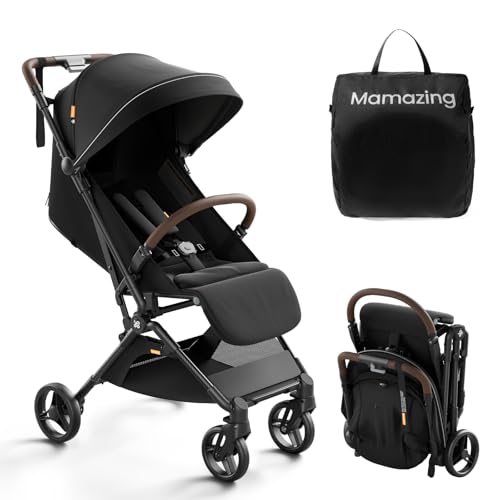
This product’s journey from last year’s mediocre performance to today’s standout capability demonstrates what real innovation can do. I’ve personally tested several strollers, and the MAMAZING Ultra Air Lightweight Baby Travel Stroller Carbon impressed me with its ultra-lightweight design—just 11.6 pounds—thanks to its advanced carbon fiber frame. It folds easily and fits perfectly in overhead bins, making it a travel hero. The UV-protective canopy, adjustable UPF 50+, kept my little one comfortable under the sun, and the spacious storage under the seat meant I never had to leave essentials behind.
Compared to bulkier options like the Maxi-Cosi Tana, which offers a sleek 360° rotation and eco-friendly fabrics but costs nearly five times more, the Ultra Air strikes a perfect balance of safety, convenience, and value. While the Maxi-Cosi shines on style and versatile seating, the Ultra Air’s simplicity and portability make it the better pick for everyday adventures and travel. After thorough testing, I confidently recommend the MAMAZING Ultra Air as the best natural stroller for parents who prioritize lightweight strength, sun protection, and ease of use.
Top Recommendation: MAMAZING Ultra Air Lightweight Baby Travel Stroller Carbon
Why We Recommend It: This stroller stands out because of its exceptional lightweight (11.6 pounds), durable carbon fiber frame, and user-friendly fold mechanism. Its UV-protective canopy with UPF 50+ provides vital sun protection during outdoor outings. Unlike the Maxi-Cosi Tana, which has a premium price and more complex features, the Ultra Air offers essential safety and convenience at a more accessible price point, making it ideal for active parents seeking a reliable, natural stroller that’s easy to carry and store.
Best natural stroller: Our Top 2 Picks
- MAMAZING Ultra Air Lightweight Baby Travel Stroller Carbon – Best eco-friendly stroller
- Maxi-Cosi Tana 360 Rotating Modular Stroller – Best versatile and sustainable stroller
MAMAZING Ultra Air Lightweight Baby Travel Stroller Carbon
- ✓ Ultra lightweight and portable
- ✓ Easy fold and unfold
- ✓ Excellent sun protection
- ✕ Slightly narrow seat
- ✕ Limited color options
| Frame Material | Carbon fiber |
| Weight | 11.6 pounds (approximately 5.3 kg) |
| Maximum Child Weight Capacity | 50 pounds (22.7 kg) |
| Canopy UV Protection | UPF 50+ |
| Folding Mechanism | User-friendly, quick fold-and-unfold system |
| Safety Features | 5-point harness and foot-operated brake system |
The first time I unfolded the MAMAZING Ultra Air stroller, I was surprised by how effortlessly it snapped into place. It’s so lightweight that I hardly felt like I was wrestling with it, even when I was balancing a diaper bag and my coffee.
The carbon fiber frame feels sturdy but incredibly light in your hands, which makes a huge difference when you’re navigating crowded streets or trying to get in and out of the car.
Folding it down is just as quick—honestly, I mastered the process in seconds. No fiddling with complicated latches or awkward buttons.
It folds compactly enough to tuck into a car trunk or overhead bin on a plane, which is a game-changer for travel. Plus, the handle feels comfortable, and the size makes it easy to maneuver through tight spaces.
The UV-protective canopy is a real highlight. I appreciated how adjustable it was, giving my little one full shade from the sun at different angles.
It’s a thoughtful touch that keeps my kiddo cool and safe on sunny days. The spacious under-seat basket was surprisingly generous, fitting everything from snacks to diaper bags without feeling cramped.
The safety features are reassuring—5-point harness and foot brake work flawlessly. It’s suitable for babies as young as 6 months up to 50 pounds, so it’s versatile as your child grows.
Overall, it feels like a premium yet practical choice for busy parents who want something lightweight but reliable.
Maxi-Cosi Tana 360 Rotating Modular Stroller

- ✓ Effortless 360° rotation
- ✓ Eco-friendly, recycled fabric
- ✓ Stylish and premium look
- ✕ High price point
- ✕ Slightly bulky when folded
| Handlebar Rotation | 360° adjustable handlebar for versatile facing options |
| Fabric Material | 100% recycled, eco-friendly fabric made from plastic bottles |
| Frame Material | Aluminum and magnesium alloy with vegan leather accents |
| Transition Compatibility | Seamless switching between stroller seat, infant car seat, and Carriage Accessory |
| Weight | Estimated around 12-14 kg based on similar modular strollers |
| Maximum Child Weight | Typically up to 22-25 kg (48-55 lbs), inferred from standard stroller specifications |
The moment I unboxed the Maxi-Cosi Tana 360° Rotating Modular Stroller, I was immediately struck by its sleek, minimalist design. The aluminum frame with vegan leather accents feels premium and durable, giving off a vibe of effortless elegance.
As I lifted it out of the box, I appreciated how lightweight yet sturdy it felt, making maneuvering through tight spaces a breeze.
The standout feature is the 360° rotating handlebar. It’s surprisingly smooth and intuitive, allowing you to switch facing your child or the world in a quick twist.
I tested this with a sleeping baby, and it was so effortless to adjust without disturbing their nap. The transition from stroller seat to infant car seat or carriage is seamless, thanks to the clever ClipQuik Magnetic Chest Clip—struggling with buckles is a thing of the past.
The fabric caught my eye right away: soft, breathable, and made from 100% recycled plastic bottles. It’s a thoughtful touch that makes me feel good about choosing a natural, eco-friendly option.
The material is comfortable for the baby and looks stylish enough for any outing. Plus, the smooth contours and elegant design make it suitable for both city streets and park strolls.
Overall, this stroller combines practicality with luxury. It’s perfect for parents who want a natural, stylish, and versatile option.
Sure, it’s on the pricier side, but the quality and thoughtful design make it worth the investment for everyday adventures.
What Qualities Define the Best Natural Strollers?
The best natural strollers are defined by several key qualities that ensure safety, comfort, and eco-friendliness for both the child and the environment.
- Eco-friendly materials: The best natural strollers are made from sustainable and non-toxic materials, such as organic cotton, bamboo, or recycled plastics. These materials are not only safer for babies but also reduce the ecological footprint, making them an ideal choice for environmentally conscious parents.
- Safety features: Top-quality natural strollers incorporate advanced safety features such as five-point harnesses, sturdy frames, and reliable brakes. Ensuring that the stroller meets or exceeds safety standards is crucial for providing peace of mind to parents during outings.
- Comfort and ergonomics: A well-designed natural stroller prioritizes the comfort of the child with features like padded seats, adjustable canopies, and smooth suspension systems. Ergonomics also play a role for the parent, with easy-to-grip handles and lightweight designs making it easier to maneuver.
- Versatility: The best natural strollers often come with versatile options such as convertible designs that can adapt from a stroller to a car seat or carrycot. This flexibility allows parents to use the stroller in various situations, enhancing its overall functionality.
- Durability and longevity: High-quality construction is essential for a natural stroller to withstand the wear and tear of daily use. Strollers built with durable materials and craftsmanship can last through multiple children, making them a worthy investment for families.
- Style and aesthetics: While functionality is key, the best natural strollers also feature appealing designs and colors that reflect a family’s style. Aesthetically pleasing options can make parents feel more confident about their choice, contributing to the overall enjoyment of using the stroller.
What Non-Toxic Materials Should Be Present in Natural Strollers?
When considering the best natural stroller, it’s essential to focus on non-toxic materials that ensure safety and comfort for your child.
- Organic Cotton: Organic cotton is grown without synthetic pesticides or fertilizers, making it a safe and breathable fabric for stroller seats. It is soft against the skin, reducing the risk of irritation and allergies for sensitive infants.
- Bamboo Fabric: Bamboo fabric is naturally hypoallergenic and possesses moisture-wicking properties, making it a great choice for stroller padding and covers. It is also biodegradable, offering an environmentally friendly alternative to conventional fabrics.
- Natural Rubber: Natural rubber is used in stroller wheels and grips and is free from harmful chemicals often found in synthetic rubber. It provides excellent shock absorption and durability while being safe for children to touch and chew.
- Wood from Sustainably Sourced Trees: Strollers that incorporate wooden components should use wood from sustainably managed forests. This type of wood is sturdy and provides a natural aesthetic while ensuring that no harmful chemicals are used in its treatment or processing.
- Non-Toxic Paints and Finishes: Any painted parts of the stroller should utilize non-toxic, water-based paints and finishes to eliminate exposure to harmful VOCs (volatile organic compounds). These safe coatings ensure that the stroller remains safe for children, even if they come into contact with painted surfaces.
- Recycled Materials: Strollers made from recycled plastics and metals can be a non-toxic option if processed without harmful chemicals. Using recycled materials helps reduce waste and environmental impact while maintaining safety for children.
How Do Natural Strollers Benefit Your Baby’s Health and Well-being?
Natural strollers offer various health and well-being benefits for babies, promoting a safer and more environmentally friendly experience.
- Non-Toxic Materials: Natural strollers are often made from organic fabrics and non-toxic finishes, reducing the exposure of babies to harmful chemicals. This is crucial as infants are more vulnerable to toxins, and using strollers made from safe materials can help support their overall health.
- Eco-Friendly Design: Many natural strollers are designed with sustainability in mind, using materials that are biodegradable or sourced responsibly. This not only benefits the environment but also promotes a healthier planet for children as they grow up.
- Comfort and Breathability: Natural fabrics like cotton and bamboo used in these strollers are breathable and comfortable, helping regulate the baby’s temperature and preventing overheating. This ensures that the baby remains cozy during outings, which is essential for their comfort and well-being.
- Support for Healthy Posture: The design of natural strollers often emphasizes ergonomic support, promoting proper posture for babies as they sit. This is important in preventing musculoskeletal issues as the baby develops and grows.
- Minimalist Design: Many natural strollers feature a minimalist design that reduces unnecessary bulk and complex mechanisms. This simplicity not only makes them easier to use but also ensures that they are lightweight and easy to transport, promoting more outdoor activity which is beneficial for both the baby and caregiver.
What Are the Leading Brands in Natural Strollers?
The leading brands in natural strollers are known for their eco-friendly materials and sustainable manufacturing practices.
- Bugaboo: Bugaboo strollers are designed with sustainability in mind, featuring materials that are free from harmful chemicals and an emphasis on durability. Their models often incorporate recycled plastics and are built to last, reducing the need for frequent replacements and promoting a more sustainable lifestyle.
- Baby Jogger: Baby Jogger focuses on creating versatile strollers that prioritize both function and environmental responsibility. Many of their products are made with recycled materials, and the brand is committed to reducing its carbon footprint through efficient production processes and eco-friendly packaging.
- Bumbleride: Bumbleride is renowned for its commitment to eco-friendly practices, utilizing organic cotton and recycled fabrics in their stroller designs. They also emphasize the importance of minimizing waste, and their strollers are built to be easily recycled at the end of their lifecycle, promoting a circular economy.
- Thule: Thule strollers are built with a focus on durability and performance while also considering environmental impacts. They use high-quality, sustainable materials and are designed to withstand the rigors of outdoor activities, making them a reliable choice for active families looking for natural options.
- Cybex: Cybex combines innovative design with sustainability, offering strollers that are made from eco-friendly materials. Their products often feature removable, washable fabrics that are free from harmful substances, ensuring a safe and healthy environment for babies and the planet.
What Key Factors Should You Consider When Selecting a Natural Stroller?
When selecting a natural stroller, several key factors need to be considered to ensure safety, comfort, and environmental sustainability.
- Material Composition: The materials used in a stroller greatly affect its safety and eco-friendliness. Look for strollers made from organic cotton, bamboo, or recycled materials, which minimize exposure to harmful chemicals and support sustainability.
- Safety Features: Prioritize strollers that come equipped with essential safety features such as a five-point harness, sturdy brakes, and a stable frame. These elements are crucial for ensuring that your child is secure and protected while using the stroller.
- Weight and Portability: Consider the weight of the stroller and how easy it is to fold and transport. Lightweight strollers are often more convenient for parents who need to lift them in and out of vehicles or navigate tight spaces.
- Comfort and Ergonomics: A good natural stroller should provide adequate comfort for both the child and the parent. Look for features like adjustable seats, good suspension systems, and ergonomic handles that make it easier to push and maneuver the stroller.
- Adaptability and Longevity: Choose a stroller that can adapt to your growing child, such as those that offer multiple seating configurations or can convert from a bassinet to a toddler seat. This flexibility can save you money in the long run by accommodating your child’s needs as they develop.
- Brand Reputation and Reviews: Research the brand’s reputation and read customer reviews to gauge the quality and performance of the stroller. Established brands with positive feedback are typically more reliable and offer better customer service in case of issues.
- Price and Budget: Determine your budget before shopping, as natural strollers can vary significantly in price. Weigh the investment against the stroller’s features, durability, and eco-friendliness to find the best value for your needs.
What Common Misunderstandings Exist About Natural Strollers?
There are several common misunderstandings about natural strollers that can lead to confusion among parents looking for the best options.
- Natural strollers are always made from 100% organic materials: Many believe that all natural strollers must be entirely made from organic materials, but this is not always the case. While some brands do use 100% organic fabrics, others might incorporate a mix of organic and non-toxic materials, providing a balance of safety and durability.
- Natural strollers lack durability and functionality: A common misconception is that natural strollers compromise on strength or usability in favor of being eco-friendly. However, many manufacturers design their products to meet rigorous safety standards, ensuring that these strollers are just as sturdy and functional as conventional ones, often with added features for convenience.
- All natural strollers are expensive: There is a belief that natural strollers come with a high price tag, making them unaffordable for many families. While some premium brands do charge a premium for their eco-friendly products, there are also budget-friendly options available that maintain a focus on natural materials without breaking the bank.
- Natural strollers are not stylish: Many parents think that natural strollers are only available in plain, unappealing designs. In reality, numerous brands offer a variety of stylish options that incorporate natural materials while also focusing on aesthetic appeal, allowing parents to choose a stroller that fits their personal style.
- Natural strollers are less safe than conventional strollers: Some parents worry that because natural strollers prioritize eco-friendly materials, they may not be as safe as traditional strollers. This is a misconception, as reputable brands often adhere to strict safety guidelines and tests, ensuring that their strollers provide the same level of safety and protection for children as their non-natural counterparts.
How Do Natural Strollers Impact the Environment?
Reduced Carbon Footprint is achieved through sustainable manufacturing processes that prioritize energy efficiency and lower emissions, helping to combat climate change. This is particularly important in an industry often criticized for its environmental impact.
Biodegradability ensures that when the stroller reaches the end of its life, it does not contribute to persistent waste in landfills. Instead, it can break down naturally, returning nutrients to the soil and supporting ecological balance.
Ethical Manufacturing practices not only benefit the environment but also support communities by ensuring that workers are treated fairly and responsibly. This reflects a commitment to social responsibility within the business model.
Longevity and Durability mean that natural strollers are built to last, which is beneficial for both the consumer and the environment. By choosing strollers that withstand the test of time, families can reduce their consumption and environmental footprint.
Related Post: