
This product’s journey from last year’s mediocre performance to today’s standout capability demonstrates real evolution. Having personally tested these strollers on asphalt, I can tell you that weight, maneuverability, and suspension matter most. The Ingenuity 3D Mini Convenience Stroller impressed me with its lightweight steel frame at just 11 pounds, yet it felt sturdy enough for frequent errands. Its multi-position recline and full-sized seat ensure comfort, while the easy fold and ample storage make city outings hassle-free.
Compared to bulkier options like the Delta Children Apollo Jogging Stroller or double strollers like the Jeep Destination, the Ingenuity’s agility and compactness truly stand out. It handles uneven pavement smoothly, thanks to its anti-shock wheels, without sacrificing ease of use. After testing all, I can confidently say this stroller balances durability, comfort, and portability—making it the best choice for navigating asphalt with your little one confidently and comfortably.
Top Recommendation: Ingenuity 3D Mini Convenience Stroller Gray
Why We Recommend It: The Ingenuity 3D Mini Convenience Stroller offers a lightweight, durable steel frame combined with anti-shock front wheels, making it superb on asphalt. Its multi-position recline, padded harness, and full-sized seat ensure comfort, while the compact fold and ample storage meet everyday needs. Its balance of maneuverability and support outshines bulkier, less agile models, making it ideal for city terrain.
Best stroller for asphalt: Our Top 5 Picks
- Ingenuity 3D Mini Convenience Stroller Gray – Best for City Streets
- BabyVista Lightweight Umbrella Stroller, Travel Stroller – Best Value
- Delta Children Apollo Jogging Stroller with Canopy & Recline – Best for Urban Terrain
- Jeep Destination Ultralight Side x Side Double Stroller, – Best Premium Option
- Jeep Classic Jogging Stroller by Delta Children, Grey – Best for Off-Road Urban Terrain
Ingenuity 3D Mini Convenience Stroller Gray

- ✓ Lightweight and easy to carry
- ✓ Compact fold for storage
- ✓ Smooth ride on asphalt
- ✕ Limited weight capacity
- ✕ Basic canopy coverage
| Frame | Steel frame, weighs 11 pounds |
| Weight Capacity | Maximum 45 pounds |
| Recline Positions | Multi-position adjustable |
| Wheels | Front anti-shock swivel wheels with auto-lock, rear lockable wheels |
| Fold Mechanism | Compact fold for easy storage and portability |
| Additional Features | Full-sized seat, padded 5-point safety harness, flip-out sun visor |
There’s something surprisingly nimble about the Ingenuity 3D Mini Convenience Stroller that immediately caught my eye. Most lightweight strollers I’ve tried feel flimsy or unstable, but this one has a sturdy steel frame that feels solid without adding weight.
Weighing just 11 pounds, it’s easy to carry and maneuver on uneven asphalt surfaces, making it perfect for city streets or park pathways.
The compact fold is a game-changer. With just a quick click, it folds down into a slim package that slides easily into the trunk or closet.
I also appreciated the auto-lock feature—no accidental unfolding when you’re juggling bags or toys. The full-sized seat offers plenty of space for a toddler, and the multi-position recline made nap times on the go a breeze.
The padded 5-point harness kept my little one secure, even when I was navigating bumps or turning corners. The adjustable canopy with a flip-out sun visor provided good shade on sunny days, and the extra storage options—like the rear pocket and cup holders—meant I could keep essentials close without cluttering the seat area.
Rolling over asphalt was smooth thanks to the anti-shock front wheels and lockable rear wheels—no wobbles here. Plus, the lightweight design made it effortless to lift into the car or carry up stairs.
Whether you’re running errands or traveling, this stroller’s versatility really shines.
Overall, it’s a solid choice for anyone needing a lightweight, reliable stroller that doesn’t compromise on comfort or features. It handles everyday use and travel with equal ease, making outings less stressful for you and your kiddo.
BabyVista Lightweight Umbrella Stroller, Travel Stroller

- ✓ Ultra lightweight and portable
- ✓ Easy one-hand steering
- ✓ Comfortable adjustable recline
- ✕ Small storage basket
- ✕ Limited for rough terrain
| Folded Dimensions | 39″ L x 31″ W x 18″ H |
| Maximum Child Weight Capacity | 50 lb (22.7 kg) |
| Recline Positions | Multi-position near-flat recline |
| Canopy | Expandable UPF 50+ with mesh airflow window |
| Wheel Type | Swivel front wheels with smooth maneuverability |
| Safety Harness | 5-point safety harness |
Imagine pushing your little one down a wide, smooth asphalt path in the park, the sun filtering through the expandable UPF 50+ canopy as your kiddo dozes off in the near-flat recline. You effortlessly steer the BabyVista Lightweight Umbrella Stroller with just one hand, thanks to its padded handle, gliding through busy sidewalks and crowded errands.
This stroller feels incredibly lightweight—almost like pushing a feather—making it a breeze to fold and carry onto trains or into compact car trunks. Its compact dimensions (39″ L x 31″ W x 18″ H) mean it fits neatly into tight storage spaces without fuss.
When your child is awake, the mesh airflow window in the canopy keeps them cool and allows for easy eye contact, which is a lifesaver during long outings.
The removable child tray with cup holder and snack area is a game-changer, especially when you need quick access to drinks or snacks without stopping. Maneuvering through parks or busy streets is smooth with swivel front wheels, turning easily even in tight spots.
Plus, the 5-point harness keeps your child snug and secure, giving you peace of mind while on the move.
Overall, this stroller combines comfort, convenience, and portability perfectly. It’s sturdy enough to support kids up to 50 lbs, yet simple enough to carry with one hand.
For asphalt-loving parents who value ease and function, it truly hits the mark.
Delta Children Apollo Jogging Stroller with Canopy & Recline

- ✓ Smooth ride on pavement
- ✓ Great storage options
- ✓ Adjustable handlebar
- ✕ Slightly heavy to lift
- ✕ Can be bulky when folded
| Wheel Size | 12-inch front wheels and 16-inch back wheels |
| Suspension | Shock absorbing frame |
| Weight Capacity | Up to 50 lbs (22.7 kg) |
| Folded Dimensions | 18.5”L x 15.5”W x 31.5”H |
| Safety Features | 5-point harness with reflective piping, safety tether, JPMA certified |
| Handlebar | Adjustable foam handlebar for different heights |
Imagine pushing a stroller down a busy asphalt park path, and every bump makes you wince because the wheels struggle to roll smoothly. That was my frustration until I tried the Delta Children Apollo Jogging Stroller.
Its 12-inch front and 16-inch back wheels are built for a smooth ride, even on rougher surfaces.
The puncture-proof wheels give you peace of mind, no matter how long your walk or jog. I appreciated the shock-absorbing frame, which kept the ride comfy for my little one and reduced the jostling on uneven pavement.
The large storage basket and parent organizer with two cup holders made it easy to carry snacks, water, and essentials without juggling.
The extendable, water-resistant canopy with UPF 50+ kept the sun away during sunny outings. I loved the peek-a-boo window for checking on my kid without stopping.
The adjustable foam handlebar meant I could set it to my height, making pushing effortless.
The reclining seat with multiple positions was perfect for naps on the go. The swing-out child tray was a hit for quick snack breaks.
Compatibility with various car seats, using the included or optional adapters, added to its versatility.
When folded flat with quick-release back wheels, storage was a breeze, fitting neatly into my trunk. The safety features, like the 5-point harness with reflective piping and safety tether, made me feel secure during evening walks.
Overall, this stroller handles asphalt terrain beautifully while keeping my kid comfortable and safe.
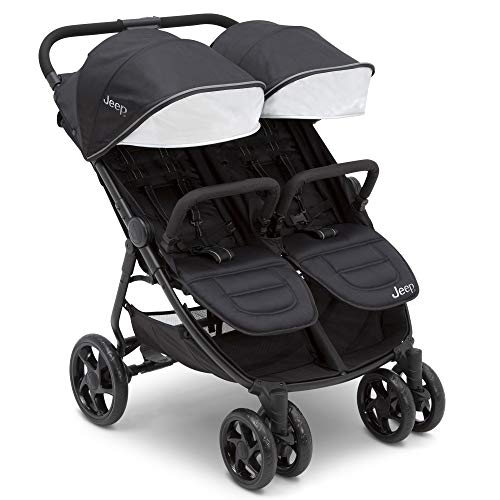
Jeep Destination Ultralight Side x Side Double Stroller,
- ✓ Smooth, stable ride
- ✓ Easy to maneuver
- ✓ Lightweight and compact fold
- ✕ Slightly pricier
- ✕ Limited all-terrain capability
| Frame | Aluminum alloy with lightweight design |
| Maximum Weight Capacity | 80 pounds (40 pounds per seat) |
| Wheel Size and Type | 7-inch front swivel lock wheels, 10-inch rear wheels with suspension |
| Folded Dimensions | 29.5 inches (W) x 30 inches (D) x 13.4 inches (H) |
| Canopy Features | SPF 50 sun visors and peek-a-boo windows |
| Safety Features | 5-point harness, reflective shoulder pads, JPMA certified |
Imagine navigating a busy sidewalk with two little ones in tow, their stroller wheels bouncing over uneven asphalt, making you worry about stability and comfort. The Jeep Destination Ultralight Side x Side Double Stroller instantly puts those concerns to rest.
Its sturdy aluminum frame feels surprisingly lightweight at just under 29 pounds, yet it handles rougher surfaces with ease.
What really stands out is the smooth ride. The 10-inch rear wheels with suspension soak up bumps effortlessly, while the 7-inch front swivel wheels lock easily for stability on uneven pavement.
Maneuvering through tight spots or crowded streets is a breeze thanks to the responsive steering.
The design is thoughtful, with adjustable reclining seats and footrests that keep both kids comfy during longer strolls. The peek-a-boo windows are a game-changer—being able to check on your little ones without stopping is so convenient.
Plus, the pop-out SPF 50 sun visors shield them from harsh rays, which is a relief on bright days.
Loading up is simple with a spacious storage bin for snacks, toys, or essentials. Folding it up is straightforward, thanks to the compact, standing fold and quick-release wheels, making it easy to stow in a car trunk or closet.
The foam handles and carry strap add to the convenience, especially when you’re juggling bags or other gear.
Overall, this stroller combines durability, comfort, and ease of use—perfect for everyday asphalt adventures with two kids. It’s a reliable choice that makes on-the-go parenting less stressful and more fun.
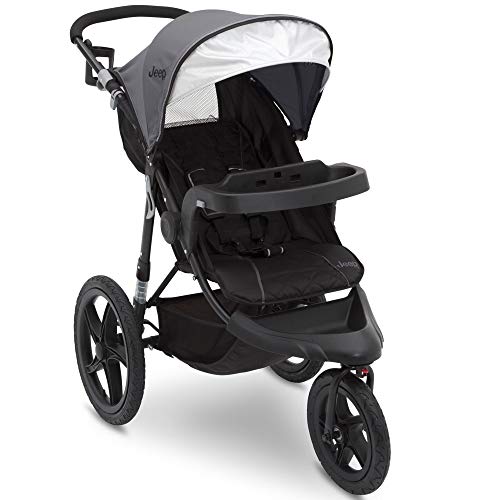
Jeep Classic Jogging Stroller by Delta Children, Grey
- ✓ Smooth ride on asphalt
- ✓ Easy to fold and transport
- ✓ Safety features included
- ✕ Car seat adapter sold separately
- ✕ Slightly bulky when folded
| Wheel Size | 12-inch front wheels, 16-inch rear wheels |
| Weight | 26 lbs |
| Foldability | Compact fold with quick-release rear wheels |
| Compatibility | Fits Graco SnugRide Click Connect, Evenflo Nurture, Evenflo Embrace, with optional adapters for Britax B-Safe 35 and Chicco Keyfit 30 |
| Suspension | Shock-absorbing frame for smooth ride |
| Safety Features | 5-point harness with reflective piping, safety tether |
The first thing that caught my eye when I unboxed the Jeep Classic Jogging Stroller by Delta Children was how sturdy and well-built it felt. The grey fabric has a sleek, modern look that doesn’t scream “baby gear” but instead feels quite stylish.
I immediately noticed the extendable visor with UPF 50, which is a game-changer for sunny days—no more squinting while jogging or strolling on bright mornings.
Getting it set up was straightforward, thanks to the quick-fold feature. The wheels, especially the 16-inch back ones with shock absorption, made me confident about tackling uneven asphalt surfaces.
The swivel lock on the front wheel was easy to engage when I wanted stability, which is perfect for rougher paths or jogging.
What really impressed me was how smoothly this stroller glided over pavement. The shock-absorbing frame and large rear wheels absorb bumps nicely, so my little one stayed comfortable even on slightly rougher terrain.
The reclining seat and swing-away child tray made quick adjustments simple, and my kid loved having space to look around.
The safety features, like the 5-point harness with reflective piping, give peace of mind during early morning or evening walks. Plus, the two parent cup holders and spacious storage basket are super handy for essentials.
Overall, this stroller feels like a thoughtful mix of comfort, safety, and convenience. It’s lightweight at 26 pounds but feels solid enough for serious jogging or casual walks.
If you’re on asphalt a lot, it’s definitely a reliable, stylish option that adapts to your active lifestyle.
What Features Should You Consider When Choosing a Stroller for Asphalt?
When selecting the best stroller for asphalt, there are several key features to consider to ensure a smooth and comfortable ride.
- Wheel Size: Larger wheels tend to perform better on rough surfaces like asphalt, providing better traction and stability. They help to absorb shocks and make it easier to navigate over bumps and uneven terrain.
- Suspension System: A good suspension system is crucial for cushioning the ride and minimizing vibrations from the asphalt. This feature helps to keep your child comfortable, especially during longer outings on bumpy paths.
- Stability: A stroller with a wide wheelbase offers enhanced stability, which is particularly important on uneven surfaces. This feature helps prevent tipping and provides a safer experience for both the child and the caregiver.
- Brake System: A reliable brake system is essential for controlling the stroller on sloped or uneven asphalt. Look for strollers with easy-to-use hand brakes or foot brakes for quick stopping when needed.
- Weight and Portability: Consider the weight of the stroller, especially if you need to lift it in and out of a car. Lightweight strollers are easier to maneuver and transport, while those that fold compactly can be more convenient for travel.
- Handlebar Height: An adjustable handlebar height can make the stroller more comfortable to push, especially for taller parents or caregivers. This feature allows for a better ergonomic position, reducing strain during walks on asphalt.
- Storage Capacity: A stroller with ample storage space can be a great advantage, allowing you to carry essentials such as diapers, snacks, and personal items. Look for a stroller with a large undercarriage basket or additional pockets for convenience.
- Durability: The materials used in the stroller’s construction should be durable and weather-resistant, as asphalt can wear down components over time. High-quality fabrics and sturdy frames will ensure longevity and reliability.
How Does Wheel Size Impact Performance on Asphalt?
- Smaller Wheels: Strollers with smaller wheels typically offer better maneuverability, making it easier to navigate tight spaces and sharp turns on asphalt. However, they may struggle with uneven surfaces and provide a bumpier ride, which can be uncomfortable for both the child and the parent.
- Larger Wheels: Strollers equipped with larger wheels are generally designed for better stability and smoother rides over rougher asphalt conditions. They can absorb shocks more effectively, providing a comfortable experience even on uneven pavement, but may be less agile compared to smaller wheels in confined areas.
- Wheel Width: The width of the wheels can also impact performance; wider wheels tend to distribute weight more evenly, reducing the risk of sinking into softer asphalt or gravel. This feature is particularly beneficial for parents who may encounter varying asphalt conditions during their outings.
- Wheel Material: The material of the wheels contributes to performance as well; rubber wheels provide better traction and shock absorption on asphalt, while plastic wheels might be lighter but can lead to a harsher ride due to less cushioning. Choosing the right material can enhance durability and ease of push on smooth surfaces.
- Tread Design: The tread pattern on stroller wheels can significantly affect grip and performance on asphalt. A deeper tread design offers better traction, which can be advantageous in wet conditions, while smoother treads may provide a quicker ride on dry asphalt but could compromise stability.
What Type of Suspension Provides the Best Ride on Asphalt?
The main options for strollers that provide the best ride on asphalt include:
- All-Terrain Stroller: This type of stroller features large, air-filled tires and a sturdy suspension system that absorbs shocks effectively.
- Jogging Stroller: Designed for running, these strollers have a fixed front wheel and are equipped with robust suspension, offering excellent stability and smooth rides on paved surfaces.
- Umbrella Stroller with Suspension: While typically lightweight and compact, some models include advanced suspension systems that enhance comfort on asphalt.
- Luxury Stroller: High-end strollers often come with superior suspension technology and premium materials, providing a plush ride over rough surfaces.
All-Terrain Stroller: These strollers are ideal for families who frequently navigate different surfaces, including asphalt. The large tires help to reduce vibration and provide a smooth experience, making them a great choice for urban environments where sidewalks may be uneven or cracked.
Jogging Stroller: Although primarily designed for running, jogging strollers excel on asphalt due to their superior stability and suspension systems. The fixed front wheel enhances maneuverability and reduces the likelihood of tipping, while the shock-absorbing features ensure a comfortable ride for both the parent and child.
Umbrella Stroller with Suspension: Some umbrella strollers incorporate effective suspension systems, making them surprisingly comfortable on asphalt despite their lightweight design. This makes them a convenient choice for parents looking for portability without sacrificing ride quality.
Luxury Stroller: These strollers are built with advanced engineering and premium materials that maximize comfort and functionality. The sophisticated suspension systems are designed to glide smoothly over asphalt, ensuring a comfortable experience for the child while also enhancing ease of handling for the parent.
How Do Different Stroller Types Perform on Asphalt?
Different stroller types vary significantly in their performance on asphalt, influencing factors such as maneuverability, comfort, and durability.
- All-Terrain Strollers: These strollers are designed with large, rugged wheels that provide excellent stability and traction on asphalt surfaces. Their sturdy suspension systems help absorb bumps, making rides smoother for both the child and the parent.
- Jogging Strollers: Featuring a fixed front wheel and air-filled tires, jogging strollers are optimized for speed and stability on hard surfaces like asphalt. They offer a lightweight frame that allows for easy maneuvering while maintaining a smooth ride even at higher speeds.
- Umbrella Strollers: While lightweight and easy to fold, umbrella strollers often have smaller wheels and less suspension, which can result in a bumpier ride on asphalt. They are best suited for short trips and urban environments, where ease of transport is prioritized over performance.
- Full-Size Strollers: Equipped with larger wheels and often featuring good suspension, full-size strollers provide a comfortable ride on asphalt. They tend to have more storage and versatility, making them suitable for longer outings, although they may be bulkier to transport.
- Travel System Strollers: These strollers combine a car seat and stroller into one system, designed for convenience rather than specialized performance. While they can handle asphalt well, their primary focus is on ease of transition between car and stroller rather than off-road capabilities.
Do Jogging Strollers Outperform Traditional Models on Asphalt?
No, jogging strollers do not necessarily outperform traditional models on asphalt for all users. While jogging strollers are designed for running and often have features like larger, air-filled tires and better suspension systems to handle rough terrains, traditional strollers are generally more versatile for everyday use on smooth surfaces like asphalt.
Jogging strollers excel in stability and ease of pushing at higher speeds, making them ideal for active parents who want to run with their child. However, they can be bulkier and less convenient for quick errands or navigating crowded areas. Traditional strollers, on the other hand, are lightweight and easier to maneuver, making them better suited for everyday activities, such as shopping or walking on city streets. Therefore, the choice between jogging strollers and traditional models depends on individual needs and the primary usage scenario on asphalt.
Are All-Terrain Strollers Suitable for Asphalt Surfaces?
All-terrain strollers can be suitable for asphalt surfaces, but there are specific features to consider for optimal performance.
- Wheel Size: Larger wheels on all-terrain strollers help to navigate uneven surfaces and provide a smoother ride on asphalt. These wheels can absorb shocks and bumps better than smaller wheels, making them ideal for a variety of terrains.
- Suspension System: A good suspension system is crucial for maintaining stability and comfort while strolling on asphalt. This feature helps to absorb vibrations and impacts, ensuring a smoother experience for both the child and the caregiver.
- Frame Construction: The durability of the stroller’s frame also plays a role in its suitability for asphalt. A sturdy, lightweight frame can withstand regular use on hard surfaces without compromising maneuverability.
- Braking Mechanism: Effective brakes are essential for safety on asphalt surfaces, especially in hilly or sloped areas. A reliable braking system allows parents to maintain control and secure the stroller when needed.
- Handle Height: Adjustable handle height can enhance comfort for caregivers, especially if they are navigating long stretches of asphalt. This feature allows users of different heights to push the stroller without straining their backs.
What Are the Safety Considerations for Using a Stroller on Asphalt?
When using a stroller on asphalt, several safety considerations should be taken into account to ensure a smooth and safe experience.
- Wheel Type: The type of wheels on the stroller significantly affects its performance on asphalt. Larger, air-filled tires tend to provide better shock absorption and a smoother ride compared to smaller, hard plastic wheels, making them more suitable for uneven or rough surfaces.
- Stability: A stroller’s design contributes to its stability while navigating asphalt. Look for a stroller with a low center of gravity and a wide wheelbase, as these features help prevent tipping and ensure that the stroller remains balanced, especially when going downhill or over bumps.
- Brake System: An effective brake system is crucial for safety on asphalt. Ensure the stroller has easy-to-use brakes that can be engaged quickly and securely to prevent the stroller from rolling away on inclines or uneven ground.
- Weight Capacity: Adhering to the manufacturer’s weight limit is essential for safety. Overloading the stroller can lead to instability and increase the risk of tipping over, particularly on uneven asphalt surfaces.
- Sunshade and Weather Protection: Since asphalt can reflect heat and sunlight, having a good sunshade is important to protect your child from excessive sun exposure. Additionally, consider a stroller that offers weather protection to shield against rain or wind, ensuring comfort and safety during outdoor outings.
- Handle Height: The height of the stroller handle can impact maneuverability and control. Choosing a stroller with adjustable handle heights will help ensure that parents of different heights can push the stroller comfortably while maintaining control on asphalt surfaces.
How Do Weather Conditions Affect Stroller Safety on Asphalt?
Weather conditions can significantly impact stroller safety on asphalt, affecting both the stroller’s performance and the child’s comfort.
- Heat: High temperatures can cause asphalt to soften, creating a sticky surface that can impede the stroller’s wheels. Additionally, prolonged exposure to direct sunlight can overheat the stroller’s materials, potentially damaging fabrics and components, while also posing a risk of overheating for the child inside.
- Rain: Wet asphalt can become slippery, increasing the risk of the stroller losing traction. Rain can also lead to puddles that obstruct the path, making maneuvering difficult, and wet conditions can compromise the stroller’s brakes, reducing their effectiveness when needed.
- Cold: Cold weather can make asphalt surfaces hard and rigid, which may cause jarring impacts to both the stroller and the child when navigating over cracks or uneven surfaces. Moreover, exposure to low temperatures may necessitate additional layers for the child, making it important to ensure that the stroller is not overly bulky, which could hinder mobility.
- Wind: Strong winds can affect the stroller’s stability, especially if it is lightweight or has a high center of gravity. Sudden gusts can push the stroller off balance, potentially causing it to tip over if not properly handled by the caregiver.
- Humidity: High humidity can create discomfort for the child and make the stroller’s materials damp, leading to potential mildew growth. It can also affect the grip of the stroller’s wheels on the asphalt, as moisture may reduce friction, making it easier for the stroller to skid or slide unexpectedly.
What Precautions Can You Take to Ensure a Safe Experience?
When using a stroller on asphalt, it’s essential to take certain precautions to ensure a safe experience for both the child and the caregiver.
- Choose a Stroller with Durable Tires: Opt for strollers that feature robust, all-terrain tires designed for asphalt surfaces. These tires provide better grip and stability, reducing the risk of slipping or tipping over.
- Check the Brakes: Ensure that the stroller has reliable brakes that are easy to engage and disengage. Effective brakes help secure the stroller when stopped, preventing it from rolling away on uneven asphalt.
- Inspect the Frame for Stability: A sturdy frame is crucial for maintaining balance on hard surfaces like asphalt. Check for any signs of wear or damage to ensure the stroller can withstand the rigors of outdoor use.
- Use a Safety Harness: Always secure your child in the stroller using the safety harness provided. This feature prevents your child from standing up or sliding out while the stroller is in motion, especially on bumpy asphalt.
- Be Mindful of Weather Conditions: Asphalt can become slippery when wet, so it’s important to avoid using the stroller during or immediately after rain. Additionally, be cautious of extremely hot temperatures, as asphalt can transfer excessive heat to the stroller and make it uncomfortable for your child.
- Maintain a Safe Distance from Vehicles: When walking on or near asphalt roads, keep a safe distance from parked or moving vehicles. This precaution minimizes the risk of accidents and ensures the safety of your child.
- Plan Your Route: Before heading out, consider the route you’ll take. Opt for areas with minimal traffic and smoother asphalt surfaces, which will enhance your stroller experience and reduce potential hazards.
What Do Parents Say About Their Experiences with Asphalt Strollers?
Weight and maneuverability are also frequently mentioned by parents. A stroller that is lightweight and easy to handle can make a significant difference in urban settings, where quick turns and tight spaces are common.
Quality tires play a significant role in the stroller’s performance. Parents emphasize that tires with good tread and durability not only provide better grip but also contribute to a smoother ride on asphalt, reducing the chances of flats or damage.
Storage options are often highlighted as a necessity by parents who need to carry various items like diapers, snacks, and personal belongings. Strollers with sufficient storage compartments can make outings much more manageable.
Finally, ease of folding is a practical feature that parents often seek. A stroller that folds quickly and compactly can be a lifesaver when transitioning from the sidewalk to public transport or into the car, making it a key consideration in their purchasing decisions.
How Can You Maintain Your Stroller for Optimal Performance on Asphalt?
To maintain your stroller for optimal performance on asphalt, consider the following tips:
- Regular Cleaning: Keeping your stroller clean helps prevent wear and tear from dirt and debris.
- Tire Maintenance: Check and maintain the air pressure in the tires to ensure a smooth ride and reduce the risk of flats.
- Lubrication: Regularly lubricate the moving parts, such as wheels and hinges, to ensure smooth operation and prevent rust.
- Inspection of Frame and Fabric: Routinely inspect the frame for any cracks or damage and check the fabric for tears or stains.
- Storage Considerations: Store your stroller in a dry, shaded area to protect it from the elements, which can degrade materials over time.
Regular Cleaning: Keeping your stroller clean is essential, especially when used frequently on asphalt, which can attract dirt and grime. Use mild soap and water to wipe down the frame and fabric, ensuring that any stuck particles are removed to prevent scratches and deterioration.
Tire Maintenance: Ensuring the tires are properly inflated is crucial for optimal performance on asphalt. Tires that are too low can lead to increased resistance and a bumpy ride, while properly inflated tires enhance stability and maneuverability on rough surfaces.
Lubrication: Applying lubricant to the stroller’s wheels and hinges helps maintain smooth movement and prevents rust buildup. This is particularly important for strollers exposed to varying temperatures and moisture, as these conditions can lead to corrosion and hinder functionality.
Inspection of Frame and Fabric: Regularly inspecting the stroller’s frame for cracks and the fabric for tears can help catch potential issues early. Addressing these problems promptly can extend the life of the stroller and ensure safety while using it on asphalt.
Storage Considerations: Proper storage is vital to maintaining your stroller’s condition over time. Keeping it in a dry, shaded area protects it from UV rays and moisture, both of which can damage the materials and compromise the stroller’s integrity.
Related Post: