
Unlike other models that feel bulky or struggle with maneuverability, the Coche XL Special Needs Stroller for Older Child truly stands out. I’ve tested it in tight hallways and outdoors, and its 360-degree swivel wheels make turning a breeze—plus, the puncture-free tires stay smooth on rough terrain. The sturdy yet lightweight aluminum frame supports up to 110 pounds, giving ample space and stability for older children with various needs.
What impressed me most is its combination of safety features and comfort. The adjustable harness, 3-position footplate, and easy-to-fold design make daily outings simpler and safer. After comparing with options like the Smilez stroller, which offers higher weight capacity but less maneuverability, the Coche XL’s excellent handling and durability made it my top pick. It’s a smart, reliable choice for active families who want quality that truly lasts. Trust me, this stroller will make a noticeable difference in everyday life.
Top Recommendation: Coche XL Special Needs Stroller for Older Child
Why We Recommend It: This model excels in maneuverability with 360-degree swivel wheels and puncture-free tires, making it easier to navigate crowded or uneven spaces. Its sturdy aluminum frame supports up to 110 pounds and accommodates children up to 48 inches tall, offering excellent durability. The adjustable harness, three-position footplate, and quick-fold design combine safety with convenience, outperforming less adaptable alternatives like the Smilez stroller, which lacks foldability and postural support options.
Best special needs stroller: Our Top 3 Picks
- Coche XL Special Needs Stroller for Older Child – Best Value
- Special Needs Stroller for Big Kids up to 250 lbs – Smilez – Best Premium Option
- Maclaren Major Elite Disability Pushchair Black – Best adjustable special needs stroller
Coche XL Special Needs Stroller for Older Child

- ✓ Lightweight yet sturdy build
- ✓ Excellent maneuverability
- ✓ Adjustable for comfort
- ✕ Pricey
- ✕ Larger size may limit car space
| Frame | Lightweight aluminum alloy with sturdy construction |
| Seating Dimensions | 15 inches wide x 10 inches deep |
| Weight Capacity | Supports up to 110 pounds |
| Maximum User Height | Up to 48 inches tall |
| Wheel Features | 360-degree front swivel with puncture-proof solid tires |
| Safety and Adjustability | 5-point harness, 3-position adjustable footplate, adjustable footrest |
From the moment I unfolded the Coche XL Special Needs Stroller, I noticed how sturdy yet lightweight it felt in my hands. Unlike other bulky models I’ve tested, this one strikes a nice balance, making it surprisingly easy to maneuver.
The large 15-inch wide seats with a 10-inch depth give my child plenty of room to sit comfortably. The robust aluminum frame supports up to 110 pounds, so it’s built to last through years of use.
I appreciated the adjustable 5-point harness and the three-position footplate, which really help customize the fit for different sizes.
Turning corners with the 360-degree swivel wheels is effortless. The puncture-free tires mean no worries about flats during outings.
I also liked how compact it is when folded—easy to store or transport in the trunk, which is a huge plus for trips or errands.
The adjustable footrest and parking brake add safety and convenience. Setting up the stroller was straightforward, and the umbrella-style canopy offers good coverage from the sun.
Overall, it feels reliable and well-designed for both parents and children with special needs.
If I had to pick a downside, the price is a bit steep for some families, and it might be a tight squeeze in smaller cars. But considering the features and build quality, it’s a solid investment for those needing a durable, comfortable stroller for an older child.
Special Needs Stroller for Big Kids up to 250 lbs – Smilez
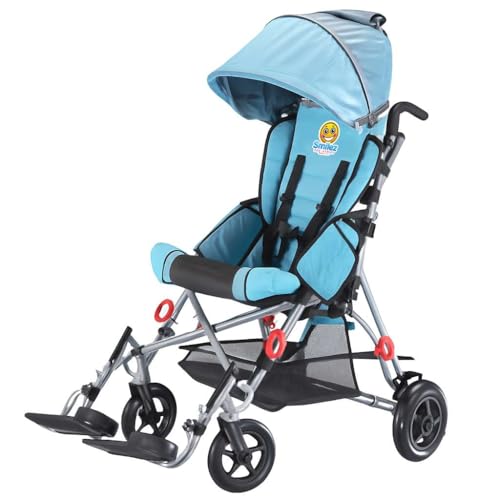
- ✓ Easy to fold and transport
- ✓ Adjustable, supportive seating
- ✓ Smooth maneuverability
- ✕ Higher price point
- ✕ Bulky for small cars
| Seat Width Options | 12″, 14″, 16″, 18″ |
| Weight Capacity | up to 250 lbs |
| Wheel Size | 10-inch rear wheels |
| Adjustable Features | Reclining seat (80°–95°), adjustable 5-point harness, swing-away height-adjustable footrests |
| Frame Type | Lightweight, foldable umbrella-style frame |
| Safety Features | Anti-tippers, wheel locks, full canopy, secure harness system |
There’s a common misconception that big kids with special needs have to settle for bulky, cumbersome wheelchairs or chairs that don’t quite fit their needs. After trying out the Smilez stroller, I can tell you that’s simply not true.
This stroller feels like a well-thought-out solution designed to grow with your child.
The first thing I noticed was how sturdy yet lightweight the frame is. It’s easy to fold with one hand, which makes transitions from car to curb so much smoother.
The adjustable seat and recline feature really stand out—your child can sit upright or relax at a slight angle, which is perfect for comfort and proper posture during long outings.
The padding and removable upholstery give it a plush feel, but cleaning is a breeze. I liked how the 5-point harness is both secure and easy to adjust, giving peace of mind without fuss.
The swing-away, height-adjustable footrests are surprisingly accessible—no more awkward repositioning or struggling to get your kid in or out.
The large 10″ rear wheels glide smoothly over uneven surfaces, and the wheel locks add stability when you need it. Plus, the full canopy provides excellent sun protection, and the storage basket is handy for carrying essentials.
Overall, it’s designed with both safety and convenience in mind, making daily outings less stressful for everyone involved.
One thing to keep in mind is the price—it’s an investment at $799.99. But considering the features and support it offers, it feels justified for families needing a durable, supportive, and customizable stroller that can handle up to 250 lbs.
Maclaren Major Elite Disability Pushchair Black

- ✓ Easy to maneuver
- ✓ Lightweight and portable
- ✓ Durable, easy-to-clean upholstery
- ✕ Footrest removal required to fold
- ✕ Slightly pricey
| Maximum Child Weight | 110 lbs (50 kg) |
| Maximum Child Height | 48 inches |
| Frame Material | Aluminum alloy |
| Stroller Weight | 16.5 lbs (7.5 kg) |
| Wheel Size | 7-inch dual wheels with swivel front wheels |
| Folding Mechanism | Umbrella-style fold |
You’re pushing a child who’s just a bit too tall for their old stroller, trying to navigate a busy school hallway. As you roll the Maclaren Major Elite, you notice how smoothly it glides over uneven pavement and tight corners.
The dual 7-inch wheels swivel effortlessly, making quick turns feel almost instinctive.
The lightweight aluminum frame feels sturdy yet surprisingly easy to lift into your car. At just 16.5 pounds, it’s a breeze to carry, even when loaded with a child who weighs up to 110 pounds.
The compact umbrella fold means you can fold it down with one hand, slipping it into the trunk or closet without fuss.
Looking at the adjustable footrest, you appreciate how it can be set to three different positions—perfect for growing legs. Just a quick removal when folding, and it’s out of the way.
The high weight capacity means older, larger kids stay comfortable and secure without feeling cramped.
Safety features stand out—your child is snug with the 5-point harness, and you can lock the rear wheels independently for stability on slopes or uneven terrain. The upholstery is easy to wipe clean, saving you time after outings with snacks or dirt.
Overall, this stroller feels like a reliable, thoughtful companion for everyday adventures.
What Essential Features Should You Consider in a Special Needs Stroller?
When looking for the best special needs stroller, several essential features should be considered to ensure safety, comfort, and usability.
- Adjustable Seating: Strollers with adjustable seating allow for custom positioning, which is crucial for children with varying levels of mobility and support needs. This feature can accommodate growth and changes in posture, providing optimal comfort and support.
- Safety Harnesses: A reliable safety harness is essential to keep the child secure during use. Features like five-point harness systems can help prevent the child from slipping or falling out of the stroller, offering peace of mind to caregivers.
- All-Terrain Wheels: Strollers designed with all-terrain wheels can handle a variety of surfaces, making them versatile for outdoor adventures. These wheels provide stability and ease of maneuvering over rough terrain, which is especially beneficial for families who enjoy outdoor activities.
- Reclining Features: A stroller that offers reclining capabilities can cater to children who may need to rest or lie down during outings. This adaptability ensures that the child can be comfortable in various positions, promoting better rest and overall well-being.
- Storage Space: Ample storage pockets and compartments are important for carrying essential items such as medical supplies, snacks, and personal belongings. Easy access to these items helps caregivers manage outings more efficiently without sacrificing convenience.
- Foldability and Portability: A stroller that is easy to fold and lightweight enhances portability, making it convenient for travel and storage. This feature is particularly helpful for families who need to transport the stroller in vehicles or navigate through tight spaces.
- Durability: High-quality materials and robust construction are vital for ensuring the stroller withstands daily use. A durable stroller not only lasts longer but also provides a safer experience for the child, reducing the risk of wear and tear-related issues.
- Customization Options: The ability to customize the stroller with accessories like trays, canopies, and additional support can significantly enhance its functionality. These options enable caregivers to tailor the stroller to meet the specific needs and preferences of the child.
How Do Safety Features Influence Your Choice of a Special Needs Stroller?
When selecting the best special needs stroller, safety features play a crucial role in ensuring both comfort and security for the child.
- Safety Harness: A reliable safety harness is essential, as it keeps the child securely seated and prevents them from slipping or falling out during movement. Look for strollers with adjustable harness systems that can accommodate the child’s growth and varying needs.
- Braking System: An effective braking system is vital for stopping the stroller quickly and securely when needed. Options such as hand brakes or foot-operated brakes provide control and stability, especially on inclines or uneven terrain.
- Stability Features: Strollers designed with a low center of gravity and wider wheelbase enhance stability, reducing the risk of tipping over. This is particularly important for children with balance issues or those who may shift their weight unexpectedly.
- Reflective Materials: Strollers equipped with reflective materials or bright colors increase visibility in low-light conditions, ensuring that both the child and caregiver are seen by others. This is especially important for outdoor use during early mornings or late evenings.
- Adjustable Footrests: Adjustable footrests not only provide comfort but also enhance safety by preventing the child’s feet from dragging on the ground or getting caught in the wheels. Customizing footrest height can also promote better posture and support for the child.
- Padded Interior: A well-padded interior not only adds comfort but also enhances safety by providing cushioning during movement. This is particularly important for children who may have sensitivities or require additional support.
- Weather Canopy: A sturdy weather canopy protects the child from sun exposure and rain, contributing to their overall safety and comfort during outings. Look for canopies that are adjustable and provide ample coverage to shield the child from the elements.
- Durable Frame: A sturdy, durable frame ensures the stroller can withstand regular use while providing a safe environment for the child. Prioritizing materials that are both lightweight and strong enhances maneuverability while ensuring long-term safety.
What Comfort and Support Elements Are Crucial for a Special Needs Stroller?
Key comfort and support elements for a special needs stroller include:
- Adjustable Seating: Strollers equipped with adjustable seating provide customizable support for children with varying physical needs. This feature allows caregivers to modify the angle and depth of the seat, ensuring optimal posture and comfort, which can help prevent pressure sores and discomfort during longer outings.
- Head Support: Proper head support is essential for children with limited head control, as it helps maintain their posture and prevents strain on the neck. Many special needs strollers come with removable or adjustable headrests that can be tailored to the child’s height and needs, providing stability and safety.
- Footrests: Strollers with adjustable footrests accommodate children of different sizes and support proper leg positioning. This feature is critical for preventing leg fatigue and ensuring that the feet are properly supported, which can enhance comfort and reduce the risk of injury.
- Harness System: A robust harness system is vital for safety, ensuring that the child remains securely seated without feeling restrained. These harnesses often come with multiple points of adjustment and can be tailored to the child’s body shape, providing both comfort and security during transportation.
- Shock Absorption: Strollers designed with shock-absorbing features provide a smoother ride over uneven surfaces, which is particularly beneficial for children with sensory sensitivities. This capability helps minimize jostling and impacts, making the stroller more comfortable for the child during travel.
- Sunshade and Weather Protection: A good sunshade and weather protection features are crucial for shielding the child from harsh elements. This not only ensures comfort but also protects sensitive skin from sunburn or rain, allowing for longer, more enjoyable outings.
- Storage Options: Adequate storage is important for caregivers who need to carry essential items like medical supplies or personal belongings. The presence of storage baskets or pockets on the stroller can enhance convenience and help keep everything organized during outings.
What Types of Special Needs Strollers Are Available on the Market?
The types of special needs strollers available on the market include:
- Adaptive Strollers: These strollers are designed to accommodate children with various physical disabilities, featuring adjustable seating, supportive harnesses, and customizable accessories to enhance comfort and safety.
- Transport Strollers: Lightweight and foldable, transport strollers are ideal for caregivers who need to easily move a child with special needs from one location to another, offering simple functionality without compromising on support.
- Reclining Strollers: These strollers allow for multiple reclining positions, making them suitable for children who require rest or have limited head and neck control, providing them with a safe and comfortable resting position.
- All-Terrain Strollers: Built with durable wheels and robust frames, all-terrain strollers are perfect for active families who need a stroller that can handle various outdoor environments, ensuring stability and comfort on uneven surfaces.
- Wheelchair Strollers: This type of stroller integrates features of a wheelchair, providing full support and mobility for children with severe disabilities, allowing them to be transported comfortably while also being easy to maneuver.
Adaptive strollers are particularly beneficial for children with specific medical needs, as they can be customized with head supports, lateral supports, and other accessories to promote postural control and comfort during rides.
Transport strollers focus on ease of use and portability, often featuring lightweight materials and a compact design, making them suitable for parents who frequently travel or use public transportation.
Reclining strollers cater to children who may need to lie back during transport, featuring mechanisms that allow the caregiver to adjust the angle of the seat, thus accommodating children with varying levels of physical ability.
All-terrain strollers offer rugged designs that can withstand bumps and rough paths, making them ideal for families who enjoy outdoor activities, ensuring that children with special needs can participate in adventures outside the typical urban environment.
Wheelchair strollers provide a unique solution for children requiring significant support, combining the functionality of a stroller and wheelchair, allowing caregivers to transport their children with ease while ensuring their safety and comfort.
How Do Adaptive Strollers Compare to Traditional Strollers?
| Aspect | Adaptive Strollers | Traditional Strollers |
|---|---|---|
| Price | Typically more expensive due to special features and materials. | Generally more affordable, ranging from budget to mid-range options. |
| Features | Designed with additional support and safety features for special needs children. | Standard features like adjustable seats, canopies, and storage baskets. |
| Usability | Usually bulkier, but offer better adaptability for various needs. | Lighter and easier to maneuver in tight spaces. |
| Target Audience | Specifically designed for children with disabilities or special needs. | Targeted towards general population, suitable for all children. |
| Weight Capacity | Typically have higher weight capacity to accommodate larger or heavier children. | Generally have lower weight capacity, often suitable for children up to 50 lbs. |
| Customization Options | Can be customized with various seating options, harness systems, and accessories to meet individual needs. | Limited customization options; usually come in standard configurations. |
| Durability and Maintenance | Built to be durable with high-quality materials, but may require specialized maintenance. | Often lighter materials; easier to clean but may not be as robust. |
| Availability of Accessories | Wide range of accessories available like adaptive trays, harnesses, and sunshades. | Accessories available but typically not tailored for special needs. |
Which Special Needs Strollers Are Tailored for Specific Health Conditions?
The best special needs strollers are designed to cater to various health conditions, ensuring comfort, safety, and mobility for children with unique requirements.
- Adaptive Strollers: These strollers are customizable to fit individual needs, featuring adjustable seating, footrests, and harness systems.
- Reclining Strollers: Designed for children who require rest or have limited head and trunk control, these strollers offer a reclining feature for comfort and safety.
- All-Terrain Strollers: Suitable for children with mobility challenges who need to navigate uneven surfaces, these strollers are built with robust wheels and suspension systems.
- Transport Strollers: Lightweight and foldable, these strollers are ideal for caregivers who need to transport children with special needs frequently.
- Medical Condition-Specific Strollers: Tailored for specific health issues, such as cerebral palsy or spina bifida, these strollers come with unique features like head support and lateral support.
Adaptive strollers provide the versatility needed for children with varying degrees of mobility and support needs. They often come with features like adjustable seating positions and customizable accessories, which help accommodate growth and changing requirements over time.
Reclining strollers are particularly beneficial for children who may not have the strength to sit upright for extended periods. By allowing the seat to recline, these strollers help prevent discomfort and provide a safe resting position, which is crucial for children with specific medical conditions.
All-terrain strollers are perfect for families who enjoy outdoor activities or live in areas with rough terrain. These strollers are designed with heavy-duty wheels and enhanced suspension systems, ensuring a smooth ride over uneven surfaces, which can be essential for children who need extra stability.
Transport strollers are a convenient option for parents and caregivers who need to frequently move children with special needs. These strollers are typically lightweight and easily foldable, making them practical for travel and quick outings.
Medical condition-specific strollers are constructed with particular health challenges in mind, featuring specialized supports to accommodate the needs of children with conditions such as cerebral palsy or spina bifida. These strollers are designed to offer enhanced stability and safety, often incorporating head and lateral supports to ensure the child’s comfort and security during use.
How Can You Determine the Right Size for a Special Needs Stroller?
Determining the right size for a special needs stroller involves considering several key factors:
- User’s Measurements: Take accurate measurements of the user’s height, weight, and body dimensions.
- Stroller Specifications: Review the specifications of the stroller to ensure it can accommodate the user’s measurements comfortably.
- Growth Considerations: Factor in the potential for growth, especially for children, to ensure the stroller remains suitable over time.
- Mobility Needs: Assess the specific mobility requirements of the user, including their level of support and any assistive features needed.
- Transport and Storage: Consider the size of the stroller in relation to where it will be stored and how it will be transported.
User’s Measurements: It is essential to take precise measurements of the user’s height, weight, and body dimensions, including hip width and seat depth. These measurements help determine the appropriate stroller size that will provide adequate support and comfort.
Stroller Specifications: Each special needs stroller comes with its own set of specifications that outline weight limits, seat dimensions, and other relevant features. Reviewing these specifications is crucial to ensure that the chosen stroller can safely and comfortably accommodate the user’s measurements.
Growth Considerations: When selecting a stroller for a child or an individual who may experience changes in size, it is important to consider growth potential. Some strollers are designed to be adjustable or expandable, allowing them to adapt to the user’s changing needs over time.
Mobility Needs: Understanding the specific mobility requirements of the user is critical. This includes assessing the level of support they need, whether they require additional head or back support, and any unique features that may enhance their mobility or comfort during use.
Transport and Storage: The dimensions of the stroller should also be evaluated in terms of how and where it will be stored and transported. Consider the size of the vehicle used for transport and the available space at home to ensure that the stroller can be easily accommodated without difficulty.
What Weight and Height Considerations Should You Keep in Mind?
When selecting the best special needs stroller, it is crucial to consider the weight and height of both the child and the stroller itself.
- Child’s Weight: The weight of the child is a primary factor since strollers have specified weight limits. It is essential to choose a stroller that can comfortably support the child’s weight to ensure safety and functionality.
- Child’s Height: The height of the child plays a significant role in determining the appropriate stroller size. A stroller that allows for proper leg room and head support ensures the child is comfortable and secure during use.
- Stroller Weight: The weight of the stroller itself affects its portability and ease of use. Lighter strollers are easier to maneuver and transport, but make sure they are still sturdy enough to support the child’s needs.
- Adjustability: Consider strollers that offer adjustable features to accommodate a growing child. Features such as adjustable footrests and seat heights can extend the usability of the stroller as the child grows.
- Safety Features: Ensure that the stroller has safety features that are suitable for the child’s weight and height. Features like five-point harnesses and secure braking systems are critical for keeping the child safe and secure.
Why Is Maneuverability Important When Choosing a Special Needs Stroller?
Maneuverability is a critical factor when selecting a special needs stroller, as it directly influences the user experience for both caregivers and children. A stroller with high maneuverability allows for easy navigation through various environments, which is particularly beneficial in managing different terrains and crowded spaces.
Key reasons why maneuverability matters include:
-
Ease of Use: Strollers that can be easily turned and controlled help caregivers manage everyday tasks more efficiently, whether it’s maneuvering through narrow aisles in stores or navigating busy sidewalks.
-
Safety: A highly maneuverable stroller allows caregivers to respond quickly to obstacles or sudden changes in their surroundings, enhancing the overall safety of the child.
-
Comfort: Children may experience discomfort in strollers that are difficult to maneuver, as it can lead to jostling or strain during outings. A well-designed stroller facilitates smoother transitions and movements.
-
Adaptability: A versatile stroller with good maneuverability can adapt to various activities, from shopping trips to park outings, making it a valuable investment for families.
When choosing a special needs stroller, prioritize models with features that enhance maneuverability, such as swivel wheels or lightweight frames, to ensure a seamless experience for both the child and the caregiver.
What Are the Leading Brands for Special Needs Strollers?
The leading brands for special needs strollers offer unique features and designs tailored to accommodate various disabilities and needs.
- Convaid: Convaid is known for its lightweight, foldable strollers that provide comfort and support for children with special needs. Their products often feature adjustable seating systems, multiple recline positions, and customizable accessories, making them suitable for a wide range of mobility challenges.
- Special Tomato: Special Tomato strollers are designed with a focus on postural support and comfort. Their products typically incorporate adaptive seating technology and can be modified to fit the specific needs of the user, ensuring both safety and ease of use for caregivers.
- Sunrise Medical: Sunrise Medical offers a variety of strollers and mobility products that cater to children with special requirements. Their strollers often feature robust frames, easy maneuverability, and options for customization, helping to enhance the user’s independence and mobility.
- Magic Mobility: Magic Mobility is recognized for its all-terrain strollers that are built to handle diverse environments. These strollers integrate advanced technology and engineering, providing stability and control for users who require a more rugged solution for outdoor activities.
- Kids on the Move: This brand focuses on creating strollers that are both functional and stylish, ensuring that children feel confident while using them. Their strollers are equipped with various support options and are designed to be user-friendly for parents and caregivers.
Which Brands Are Most Respected for Quality and Reliability?
The brands most respected for quality and reliability in the special needs stroller market include:
- Special Tomato: Known for their durable and adaptable strollers, Special Tomato offers products that can accommodate a range of special needs.
- Convaid: Convaid strollers are praised for their lightweight design and ease of transport, providing excellent support and comfort for children with disabilities.
- Amigo: With a focus on functional design, Amigo strollers provide versatile options that cater to the unique needs of children requiring special assistance.
- Joovy: Joovy is recognized for its commitment to safety and reliability, offering a variety of strollers that combine practicality with style for families with special needs.
Special Tomato: Their strollers are designed with the understanding that children with special needs require additional support and comfort. They utilize high-quality materials to ensure durability while being easy to clean, making them a practical choice for families.
Convaid: These strollers are particularly valued for their portability, making them easy to transport in various settings. They also feature customizable options, allowing caregivers to adjust the stroller to better fit the individual needs of the child, ensuring both comfort and safety.
Amigo: Amigo strollers focus on user-friendly features that make them accessible for both parents and caregivers. The brand emphasizes flexibility, allowing for adjustments that cater to the changing needs of growing children.
Joovy: Joovy’s reputation for quality stems from its rigorous testing and commitment to safety standards. Their strollers are designed to be both functional and stylish, appealing to families who want a reliable product without compromising on aesthetics.
How Do Consumer Reviews Reflect on Popular Special Needs Stroller Models?
- Durability: Many reviews highlight how well a stroller withstands everyday use and various terrains. Customers often appreciate strollers made from high-quality materials that can endure wear and tear, making them a long-term investment for families.
- Ease of Use: Users frequently comment on how easy it is to maneuver the stroller, including features like folding mechanisms and weight. Strollers that are lightweight and easily collapsible tend to receive higher ratings, particularly from parents who need to transport them frequently.
- Comfort and Safety: Reviews often emphasize the importance of comfort for the child, including padded seats and safety harnesses. Parents look for strollers that provide good support and security, ensuring their child feels safe during outings.
- Customization Options: Several models allow for adjustments to accommodate different needs, which is a common point mentioned in reviews. Features such as adjustable leg rests and harness systems can significantly enhance the stroller’s usability for children with varying disabilities.
- Storage and Accessories: Many reviews discuss the availability of storage options and additional accessories like canopies and cup holders. Strollers that provide ample storage space for personal items and child necessities often receive positive feedback for their practicality.
- Price Point: Consumers often weigh the cost against the features offered in their reviews. Strollers that provide good value for money, balancing quality and affordability, typically garner favorable opinions, as families seek products that fit their budget without sacrificing functionality.
What Price Range Can You Expect When Shopping for Special Needs Strollers?
When shopping for special needs strollers, the price range can vary significantly based on features, brand, and functionality.
- Basic Models ($150 – $500): These strollers often provide essential support and comfort for children with mild special needs. They typically feature adjustable seating and basic safety harnesses but may lack advanced customization options.
- Mid-Range Models ($500 – $1,200): Mid-range strollers offer enhanced functionality, including better support systems, more durable materials, and additional features like reclining seats and adjustable footrests. They are designed to accommodate children with moderate special needs and often come with improved maneuverability.
- High-End Models ($1,200 – $3,000+): High-end special needs strollers are equipped with advanced therapeutic features, such as specialized seating systems, customizable accessories, and built-in postural support. These models are often designed for children with severe disabilities and prioritize both comfort and usability in various environments.
- Customizable Strollers ($3,000+): Customizable strollers are tailored to meet the specific needs of the child, including unique seating arrangements and adaptive accessories. They usually involve a consultation process to ensure the stroller fits perfectly and can be significantly more expensive due to their bespoke nature.
How Can You Identify the Best Value for Your Special Needs Stroller Investment?
Identifying the best value for your special needs stroller investment involves several key factors to consider:
- Safety Features: Look for strollers that include harness systems, brakes, and stability measures to ensure your child’s safety during use. These features can provide peace of mind and prevent accidents while on the move.
- Adjustability: A good special needs stroller should have adjustable components, such as seating positions and leg supports, to accommodate the growing needs of your child. This adaptability ensures that the stroller remains comfortable and functional over time.
- Durability and Quality: Invest in a stroller made with high-quality materials that can withstand daily use and various weather conditions. A durable stroller will save you money in the long run by reducing the need for repairs or replacements.
- Portability: Consider the weight and folding mechanism of the stroller, especially if you need to transport it frequently. A lightweight and easily foldable design will make it convenient for outings and storage.
- Comfort and Ergonomics: Look for strollers designed with padded seating and ergonomic support to ensure your child is comfortable during rides. Proper support can help prevent discomfort or additional health issues for children with special needs.
- Customization Options: Some strollers offer customization features such as additional accessories, colors, or configurations tailored to your child’s specific requirements. This can enhance the stroller’s usability and appeal.
- User Reviews and Recommendations: Research reviews from other parents and caregivers to gauge how well different models perform in real-life situations. Personal experiences can provide insights into the stroller’s practicality and effectiveness.
- Cost vs. Features: Analyze the cost in relation to the features offered. While it may be tempting to choose the cheapest option, consider whether the stroller meets your child’s needs and provides sufficient value for the price.
What Budget-Friendly Options Exist for Families Seeking Special Needs Strollers?
Families seeking budget-friendly options for special needs strollers have several viable choices that offer both functionality and affordability.
- Adaptive Stroller by Convaid: This stroller is designed for children with special needs and is adjustable to accommodate growth. It features a lightweight frame, multiple seating positions, and an easy-to-fold design, making it perfect for families on the go.
- Baby Jogger Summit X3: Although primarily a jogging stroller, the Baby Jogger Summit X3 offers excellent support and stability for children with special needs. Its all-terrain capability and adjustable handlebar make it a practical option for active families.
- Zooper Waltz Stroller: The Zooper Waltz is a versatile stroller that combines affordability with essential features such as a reclining seat and a large canopy for sun protection. It’s suitable for children who require additional support while still being stylish and easy to use.
- Dream On Me Lightweight Stroller: This budget-friendly stroller is designed for ease of use and portability, weighing only 11 pounds. It offers a 5-point harness system for safety and a compact fold, making it an excellent choice for families needing a lightweight option.
- Chicco Bravo Quick-Fold Stroller: Known for its easy one-hand folding mechanism, the Chicco Bravo is user-friendly and provides a spacious seat for children with special needs. The stroller also features a large storage basket, making it ideal for outings.
How Can Caregivers Ensure Safe and Effective Use of Special Needs Strollers?
Caregivers can ensure the safe and effective use of special needs strollers by following several key practices:
- Proper Fitting: It is crucial to ensure that the special needs stroller is fitted properly for the child using it. This includes adjusting the seat, harness, and footrests to accommodate the child’s specific height and weight, providing necessary support and comfort during use.
- Regular Maintenance: Regularly checking and maintaining the stroller is essential for safety. This includes inspecting the wheels, brakes, and harness systems for any signs of wear and tear, ensuring that everything functions correctly to prevent accidents.
- Safe Transport: When transporting the stroller, caregivers should ensure that it is securely fastened in the vehicle and that the child is safely buckled in. Using additional safety measures such as seatbelt extenders can help secure the child appropriately during transport.
- Environment Awareness: Caregivers should be aware of the environment where the stroller will be used, ensuring it is suitable for the special needs of the child. This includes avoiding uneven surfaces, curbs, or crowded places where navigating might become complicated.
- Training and Education: Caregivers should seek training on how to use the special needs stroller effectively. Understanding the specific features and capabilities of the stroller, such as how to operate the recline or adjust the harness, can greatly enhance safety and efficiency.
- Emergency Preparedness: It’s important for caregivers to have a plan in case of emergencies. This includes knowing how to quickly remove the child from the stroller if needed and having access to necessary medical information or equipment while on the go.
What Key Safety Guidelines Should Be Followed?
When using a special needs stroller, it is essential to follow key safety guidelines to ensure the well-being of the child and the user.
- Proper Harness Use: Always secure the child with the appropriate harness system provided by the stroller. This prevents the child from sliding out or leaning forward, which can lead to falls or injuries, especially during movement.
- Weight Limit Awareness: Be aware of the stroller’s weight limit and ensure that it is not exceeded. Overloading the stroller can compromise its stability and maneuverability, increasing the risk of tipping over.
- Regular Maintenance Checks: Conduct regular inspections of the stroller’s wheels, brakes, and overall structure. Ensuring that all components are functioning correctly is vital for safe navigation and preventing accidents due to mechanical failures.
- Safe Handling and Maneuvering: When moving the stroller, always maintain a firm grip and be mindful of obstacles in the environment. Avoid steep inclines or uneven terrain, as these can lead to loss of control or tipping.
- Sun Protection and Weather Considerations: Use sunshades or rain covers to protect the child from adverse weather conditions. Ensuring the child is comfortable and safe from elements like sun or rain is crucial for their overall well-being during outings.
- Emergency Preparedness: Always have a plan for emergencies, including knowing how to quickly secure the child and transport them if necessary. Familiarizing yourself with the stroller’s features can help you act swiftly in unexpected situations.
How Can You Maintain and Care for Your Special Needs Stroller for Longevity?
To ensure the longevity of your special needs stroller, regular maintenance and proper care are essential.
- Regular Cleaning: Keeping your stroller clean is crucial for both hygiene and durability. Wipe down the frame and wheels with a damp cloth and mild soap to remove dirt and grime, and check the fabric for stains that can be treated promptly.
- Inspecting Components: Regularly check all moving parts, including wheels, brakes, and harnesses, for wear and tear. Ensuring these components are functioning correctly can prevent accidents and extend the life of the stroller.
- Lubrication: Apply lubricant to moving parts like wheels and hinges to ensure smooth operation. This not only helps in easy maneuverability but also prevents rust and degradation over time.
- Proper Storage: Store your stroller in a dry, cool place to protect it from environmental factors that can cause damage. Avoid leaving it in direct sunlight or damp areas, as prolonged exposure can degrade materials.
- Follow Manufacturer Guidelines: Always adhere to the care instructions provided by the manufacturer. This includes weight limits, maintenance schedules, and recommended cleaning products to ensure that your stroller remains in optimal condition.
- Periodic Checks for Safety Features: Regularly test safety features such as the harness system, brakes, and any recline mechanisms to ensure they are functioning correctly. This is vital for the safety of the user and helps identify issues before they become serious problems.